
Online Therapy for Disability
Disabled people may seek therapy for the same reasons as anyone else, as well as the impact of barriers, discrimination or changes in support. Your experiences deserve respect.

- Every profile checked by our team
- Secure online sessions
- Book in minutes
- No account needed
Disability and mental wellbeing
Disability is not itself a mental health problem. Barriers, inaccessible services, discrimination and uncertainty can affect wellbeing, alongside the ordinary challenges of life.
Reasons someone may seek support
You might want to discuss relationships, identity, anxiety, pain, isolation or changes in independence. Your goals should guide the work rather than assumptions about disability.
Accessible therapy
Ask therapists about communication preferences, accessible materials, session formats, breaks and any adjustments you need. Not every provider can meet every requirement, so confirm before booking.
Working alongside other care
Therapy may complement healthcare, social care or advocacy, but cannot replace medical assessment, practical support or disability rights advice.
Related support
Explore chronic pain, loneliness and anxiety.
Clinically reviewed by Daniel Rosenberg, Senior Counsellor | ACCPH Member | General Hypnotherapy Register (GHR) Registrant on 5 November 2026.
Find therapists supporting disabled people’s wellbeing
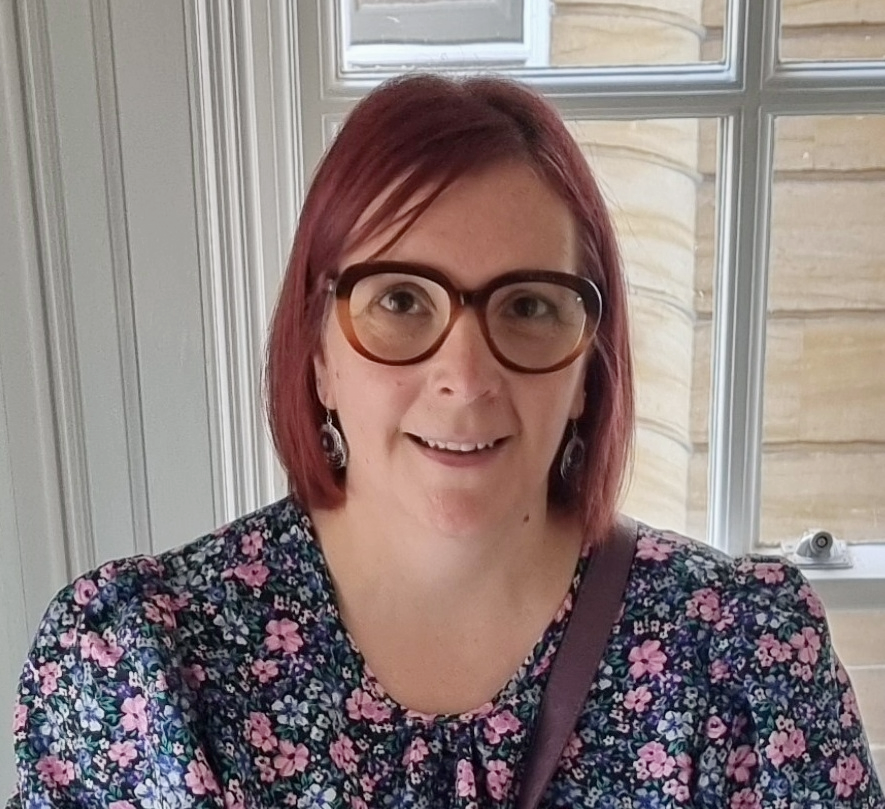
Charlotte Cunningham
Counsellor
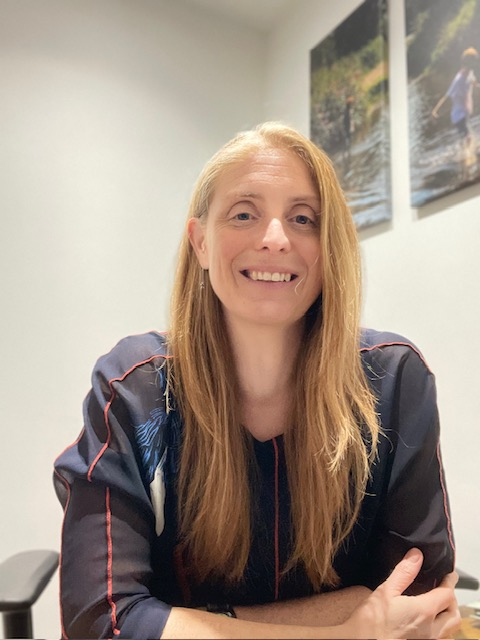
Dr Sarah Samuels
Clinical Psychologist
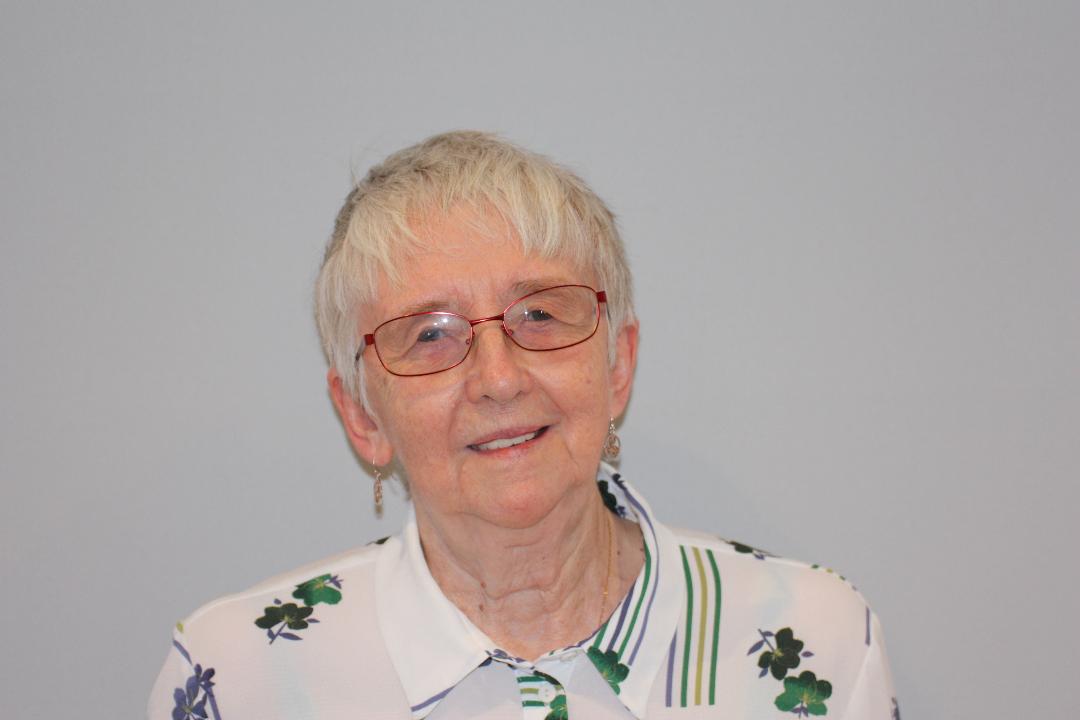
Mrs Hilary Rock-Gormley
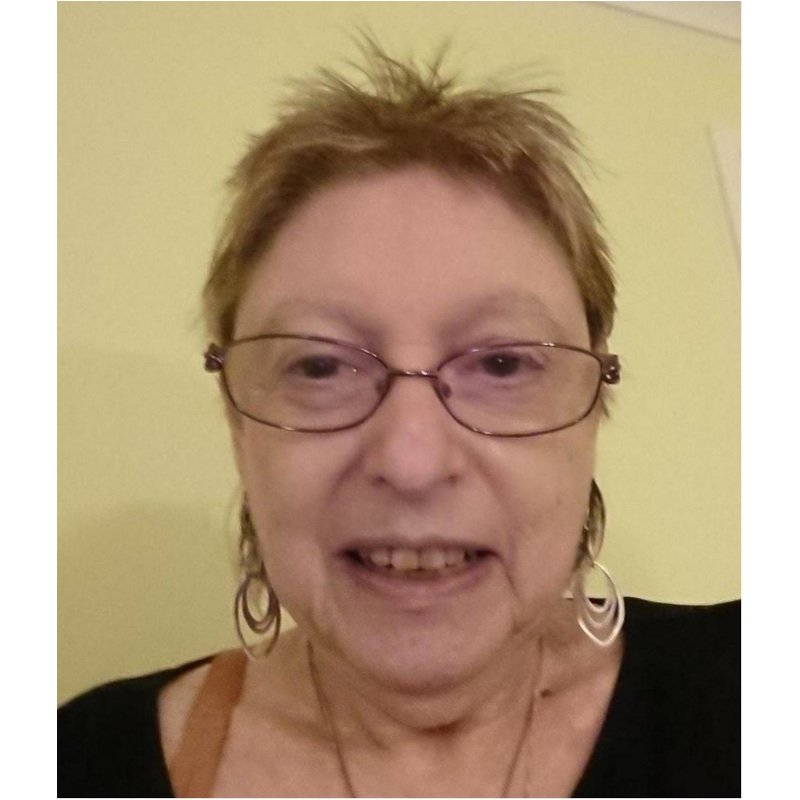
Pamela Phillips
Counsellor
How Veyro works
- 1
Browse
Filter by what you need help with, price, gender, language and more.
- 2
Book
Pick a time that suits you and pay securely. No account needed.
- 3
Talk
Meet your therapist online from wherever you feel comfortable.
Frequently asked questions
Does having a disability mean I need therapy?
No. Therapy is an option if you want support, not an automatic requirement.
Can I ask for accessibility adjustments?
Yes. Discuss communication, format and access needs with the therapist before booking.
Will therapy try to change my disability?
It should respect your goals and not frame disability itself as something to cure.
Can I discuss discrimination?
Yes. A therapist can help explore its impact without minimising the barriers you face.
Is online therapy suitable for everyone?
No. Suitability depends on individual needs, accessibility and clinical considerations.
Can therapy replace disability advocacy?
No. Advocacy and practical rights advice serve different purposes.
How do I choose a therapist?
Ask about disability-affirming practice, relevant experience and accessibility arrangements.