
LGBTQ+ Affirming Online Therapy
Finding a therapist who respects your identity and relationships can make it easier to discuss what matters to you. LGBTQ+ counselling should be affirming, collaborative and free from assumptions.

- Every profile checked by our team
- Secure online sessions
- Book in minutes
- No account needed
Reasons people seek support
People seek therapy for many reasons, including anxiety, grief, work pressure, relationships and experiences of prejudice. Being LGBTQ+ is not itself a mental-health problem, and you do not need to make identity the focus of every session.
What you can explore
You might want to explore coming out, family expectations, belonging, minority stress or a relationship concern. Alternatively, you may simply want help with a difficulty unrelated to sexuality or gender, with confidence that the therapist will not make assumptions.
Finding an affirming therapist
Ask prospective therapists how they work with LGBTQ+ clients, whether they have relevant training and how they respond if a client corrects their language. You can discuss names, pronouns, privacy and whether any information may be shared with others.
Respect and emotional safety
An affirming therapist will not try to change your sexual orientation or gender identity. If you have experienced discrimination, therapy may offer space to process its effects while recognising that the problem is not your identity.
Related support
Depending on your situation, our pages on gender identity and loneliness may also be helpful.
Finding a therapist and next steps
Compare independent therapists’ profiles, relevant experience, session formats and fees before booking. You can ask about suitability and confidentiality in an initial conversation. If anyone is in immediate danger, call 999. For urgent non-emergency medical concerns, contact your GP or local urgent-care service; in Northern Ireland, use your GP out-of-hours service when your surgery is closed. For further information, see NHS guidance on LGBTQ+ mental-health support.
Clinically reviewed by Daniel Rosenberg, Senior Counsellor, ACCPH Member, General Hypnotherapy Register (GHR) Registrant on 5 November 2026.
Find LGBTQ+ affirming therapists
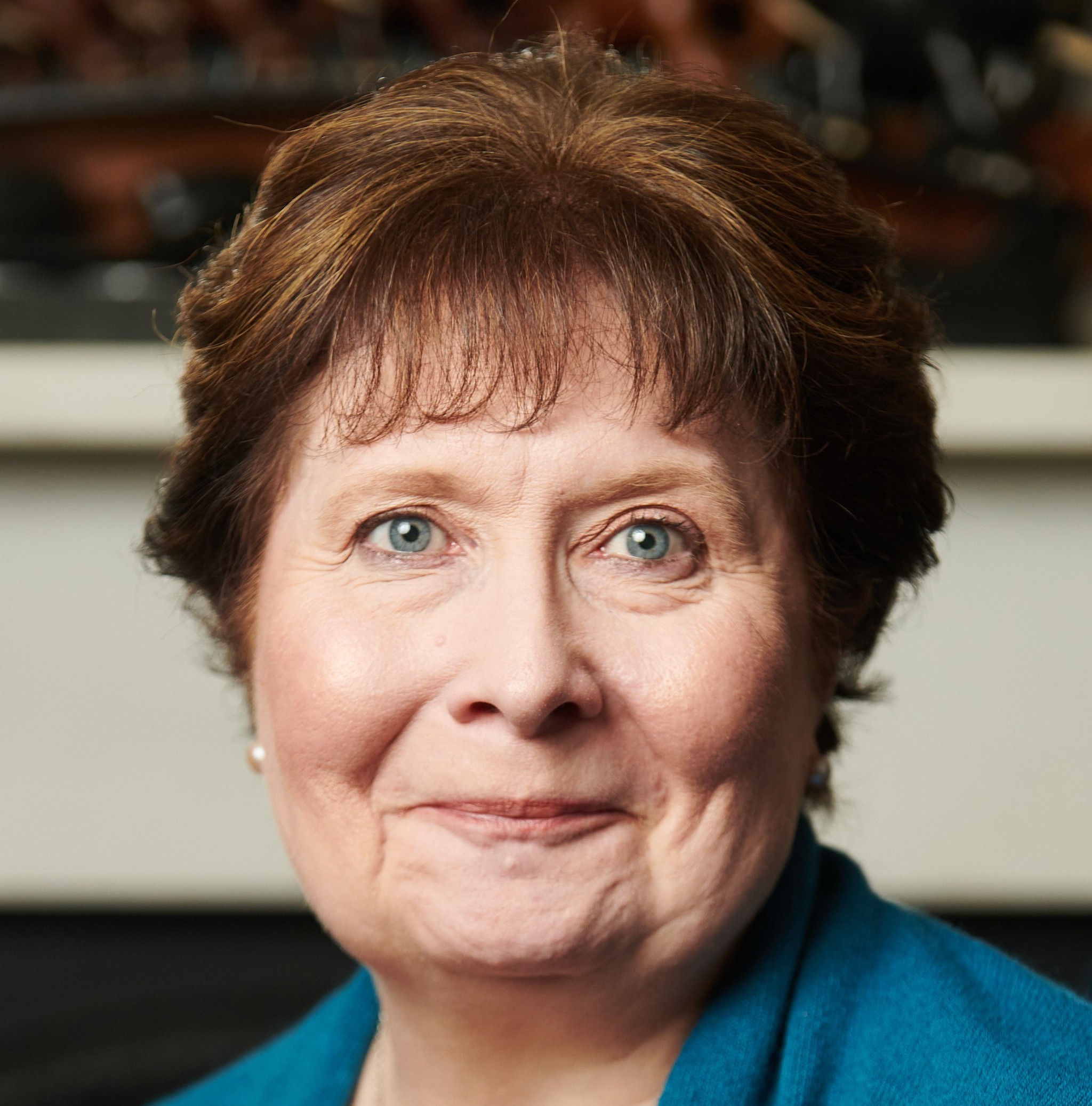
Amanda Webster
Psychotherapeutic Counsellor
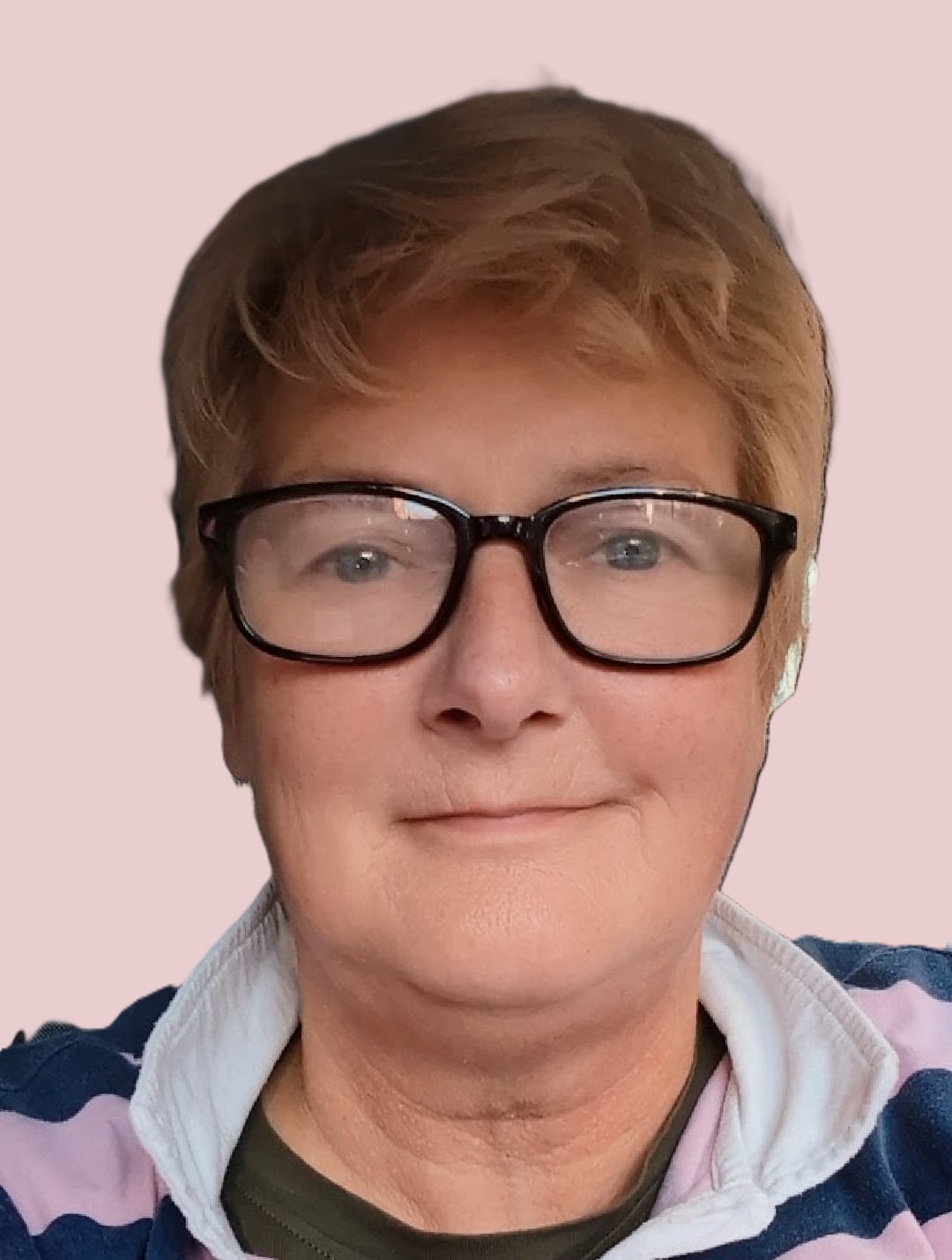
Anita Furlong
Counsellor, Psychotherapist & Supervisor
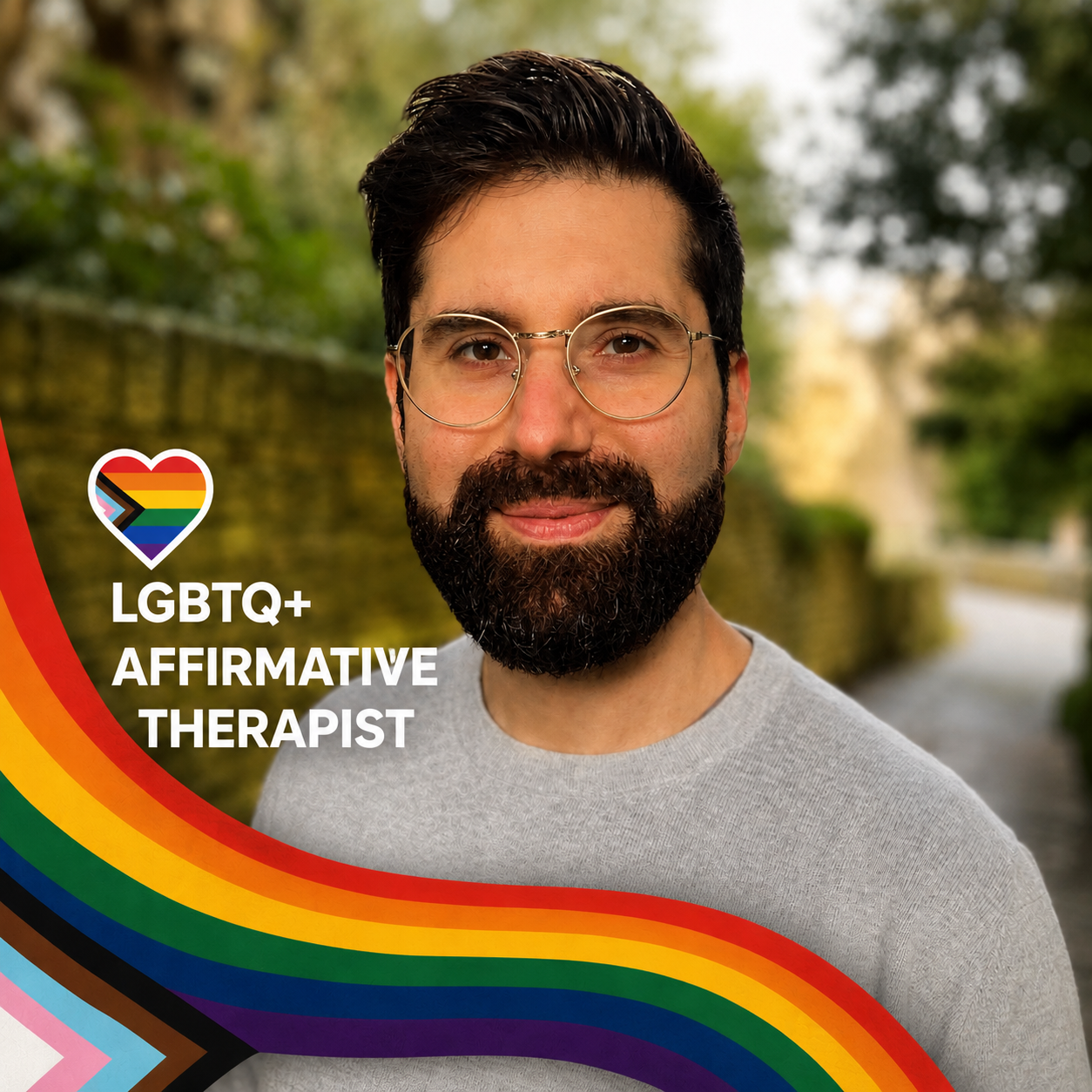
Antonios Georgiadis
Psychodynamic Psychotherapist and Counsellor

Ayo Adesioye
Individual and Couples Therapist

Cheryl Ann Forrester
Qualified Counsellor

Daniel Kent
Psychosexual and Relationship Therapist
How Veyro works
- 1
Browse
Filter by what you need help with, price, gender, language and more.
- 2
Book
Pick a time that suits you and pay securely. No account needed.
- 3
Talk
Meet your therapist online from wherever you feel comfortable.
Frequently asked questions
Do I have to discuss my identity in therapy?
No. You decide what you want to focus on, including concerns unrelated to sexuality or gender.
What does LGBTQ+ affirming mean?
It means respecting your identity, relationships and autonomy without treating them as something to correct.
Can I ask about a therapist’s experience first?
Yes. You can ask about training, language, confidentiality and experience supporting concerns similar to yours.
Can therapy help after discrimination?
It may provide space to process distress, consider boundaries and identify support, without minimising what happened.
Do I need to be out to book?
No. You choose what to share. If privacy is a concern, check which email address or device will receive booking confirmations before you book. You can also ask the therapist how they will address you and contact you.
Is this a gender assessment service?
No. A counselling marketplace does not itself provide a specialist medical assessment or prescribe treatment.
Can I change therapists?
Yes. A respectful working relationship matters, and you can choose another professional if the fit is not right.