
Online Therapy for Emotional Regulation
Strong emotions are part of being human. If feelings regularly become overwhelming, difficult to understand or hard to respond to safely, therapy may help you build awareness and practical skills without treating emotions themselves as a problem.

- Every profile checked by our team
- Secure online sessions
- Book in minutes
- No account needed
Understanding emotional regulation
Emotional regulation means noticing, understanding and responding to emotions in ways that fit the situation. It does not mean suppressing feelings or remaining calm all the time.
Signs and everyday experiences
You may feel flooded during disagreements, react before you have time to think, shut down when distressed or struggle to return to a steadier state after setbacks.
What can contribute?
Stress, trauma, sleep difficulties, relationships and neurodevelopmental differences can influence emotional responses. The right support depends on the person and context.
How talking therapy may help
Depending on your needs, therapy may include recognising early cues, grounding, communication skills and approaches informed by CBT or dialectical behaviour therapy (DBT). Not every therapist offers specialist DBT, so ask about training.
A practical example
For example, you might notice a racing heart during a difficult conversation, agree on a short pause, name the feeling and return to the discussion with a clearer request.
Choosing support and staying safe
Emotional regulation work should never excuse threatening or harmful behaviour. If you fear you may hurt yourself or someone else, seek urgent professional support and prioritise safety.
Further reading and related support
For additional information, read NHS guidance on five steps to mental wellbeing. You may also find our anger management therapy page and stress therapy page helpful. Not every therapist provides every specialist approach; check their experience and suitability before booking.
Clinically reviewed by Daniel Rosenberg, Senior Counsellor | ACCPH Member | General Hypnotherapy Register (GHR) Registrant on 5 November 2026.
Find therapists who can help with emotional regulation

Alan Brodie
Counsellor | Cognitive Behavioural Therapist (CBT)
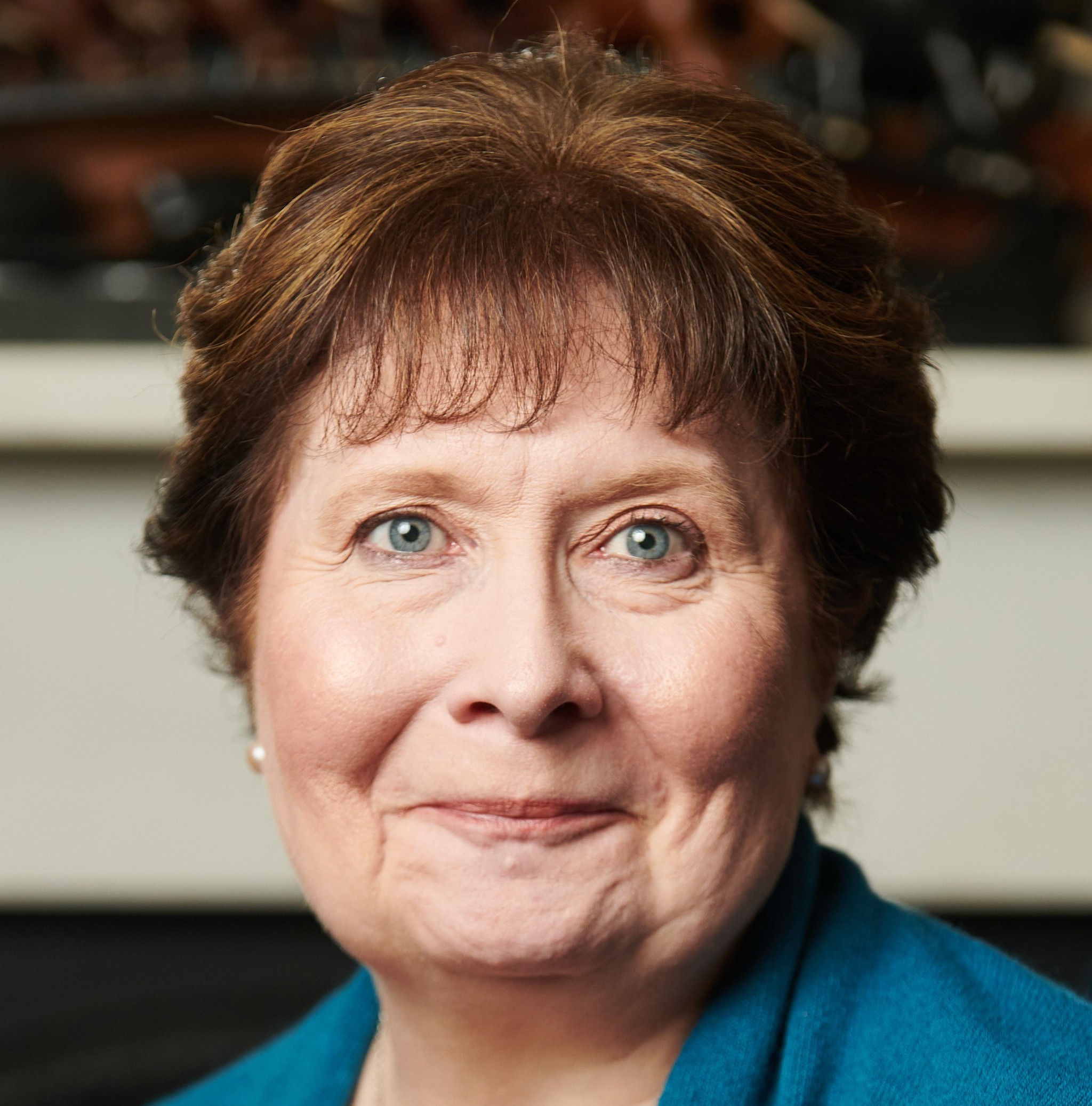
Amanda Webster
Psychotherapeutic Counsellor

Amber Sexton
Adult and Children's Counsellor and Psychotherapist

Ana Saval-Badia

André O'Donnell
Counselor & Psychotherapist

Anita Dhanecha
Counsellor
How Veyro works
- 1
Browse
Filter by what you need help with, price, gender, language and more.
- 2
Book
Pick a time that suits you and pay securely. No account needed.
- 3
Talk
Meet your therapist online from wherever you feel comfortable.
Frequently asked questions
Does emotional regulation mean controlling every feeling?
No. The aim is to notice emotions and choose safer, more helpful responses rather than suppressing feelings.
Can therapy help with emotional outbursts?
It may help you recognise triggers and early warning signs, practise pausing and improve communication. The approach depends on the cause and context.
Is emotional dysregulation a diagnosis?
It is a description of difficulty managing emotional responses, not a diagnosis on its own. A clinician can assess any related conditions.
Is DBT the same as general counselling?
No. DBT is a structured therapy with specific skills and delivery formats. Ask whether a therapist has relevant training and what they actually offer.
What if I shut down rather than get angry?
Withdrawal or feeling numb can also be part of how you respond to stress. Therapy can explore these patterns without assuming one explanation.
Can stress make emotions harder to manage?
Yes. Stress and lack of sleep can affect how we respond. See our stress therapy page.
What should I ask a therapist?
Ask about experience with your specific difficulties, relevant training and how they approach safety, skills and progress.