
Online Narcissistic Abuse Support
If you have been repeatedly belittled, blamed or controlled, you can seek help for the impact without diagnosing the other person. Explore independent therapists who support recovery from harmful relationships.

- Every profile checked by our team
- Secure online sessions
- Book in minutes
- No account needed
Describing behaviour rather than diagnosing a person
People sometimes use 'narcissistic abuse' to describe repeated blame, humiliation, manipulation or controlling behaviour. It is not a diagnosis of the other person, and a therapist cannot diagnose somebody they have not assessed. You can talk about the impact of a relationship without proving what motivated the behaviour.
Why self-doubt can persist
After repeated criticism or shifting expectations, you might second-guess ordinary decisions, feel responsible for another person's reactions or struggle to trust your memory. It can take time to distinguish a difficult relationship from a pattern of coercion. You deserve support even when your account feels incomplete or complicated.
What recovery-focused therapy might involve
Therapy may explore boundaries, the effects on confidence, patterns of conflict and how you want future relationships to feel. You should be able to discuss the pace of sessions and whether the therapist understands controlling relationships. The aim is not to diagnose an ex-partner or guarantee a particular outcome.
When safety is a concern
If threats, stalking or coercive control are ongoing, prioritise specialist domestic abuse advice over confrontation or joint counselling. GOV.UK domestic abuse guidance explains ways to find specialist support.
Choosing an independent therapist
Read each therapist’s profile and ask about relevant experience, professional registration, confidentiality, online session arrangements and fees. A listed specialism is not a guarantee of particular clinical training or suitability. You can ask questions before booking, and the therapist should explain when a different service may be more appropriate.
Related support and urgent help
For related perspectives, you can also explore our pages on emotional abuse and attachment issues. Veyro is not an emergency service. If anyone is in immediate danger, call 999. For urgent medical help that is not an emergency, contact your GP or local urgent-care service. In Northern Ireland, contact your GP out-of-hours service when your surgery is closed.
Clinically reviewed by Daniel Rosenberg, Senior Counsellor, ACCPH Member, General Hypnotherapy Register (GHR) Registrant on 2 November 2026.
Find therapists who support people after harmful relationships

André O'Donnell
Counselor & Psychotherapist
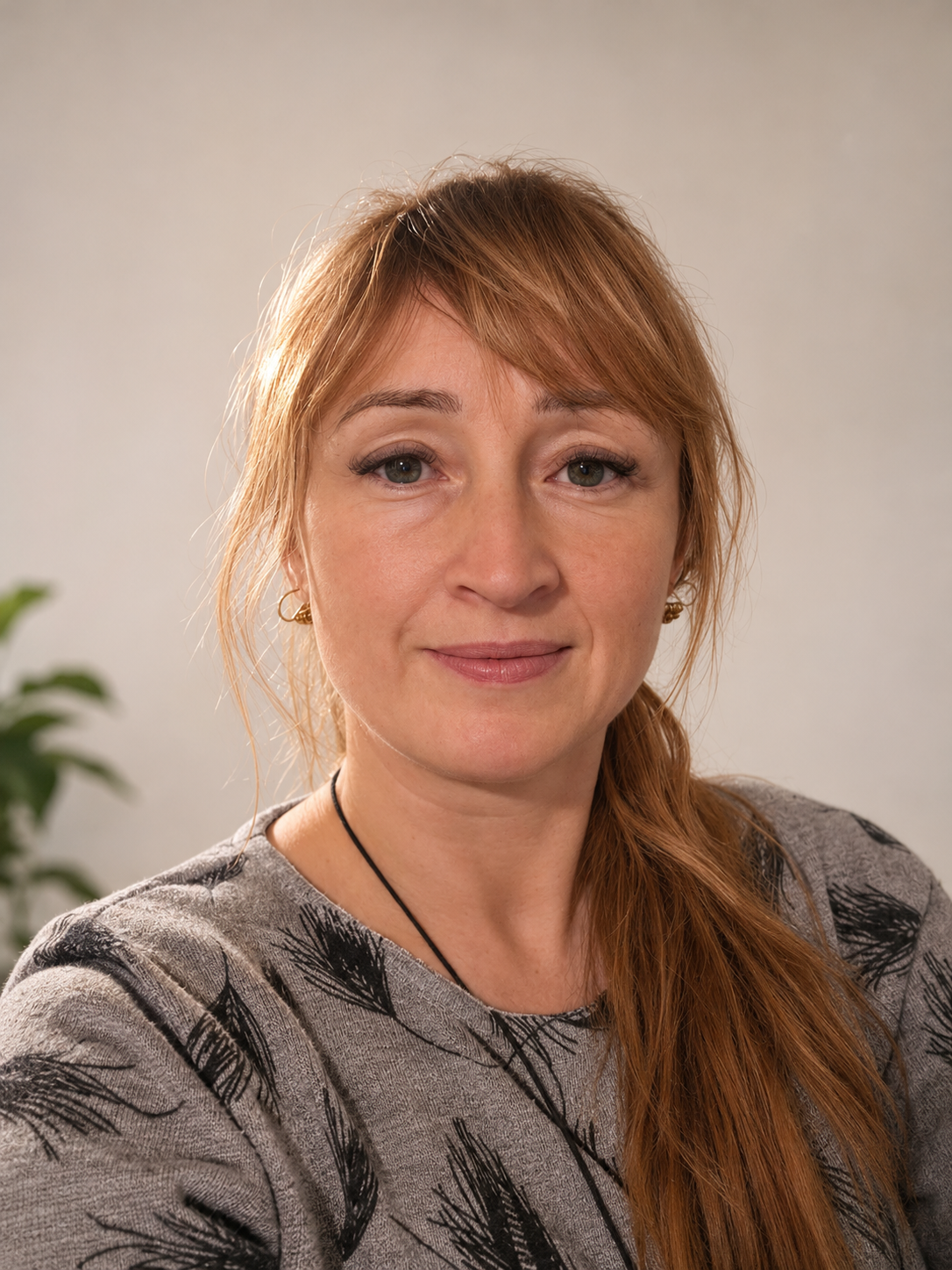
Anna Rexha
Integrative Counsellor (MNCPS Accred)

Charlotte Ferrier
Rapid Transformational Therapist

Edoardo Zollo
Psychotherapist for Individuals and Couples
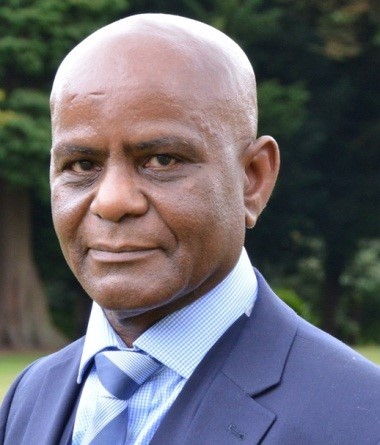
Errol Roman
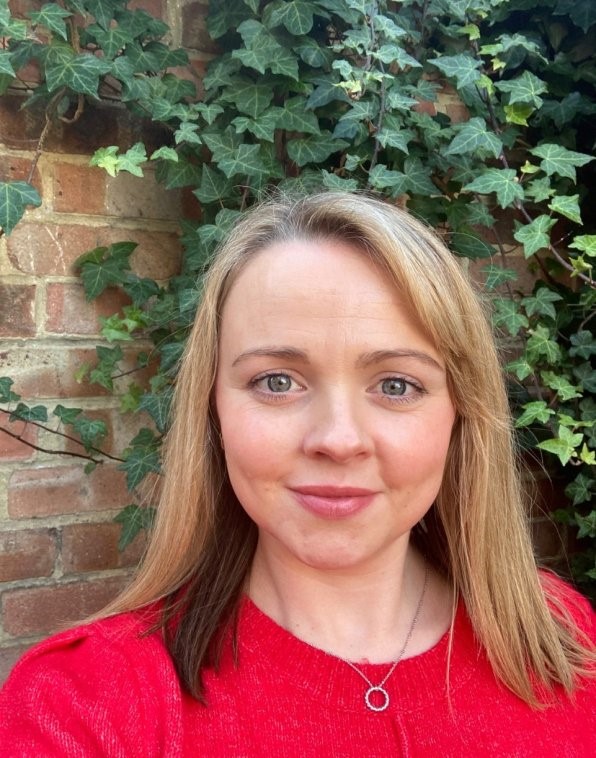
Harriet Marciano
Adult psychotherapist
How Veyro works
- 1
Browse
Filter by what you need help with, price, gender, language and more.
- 2
Book
Pick a time that suits you and pay securely. No account needed.
- 3
Talk
Meet your therapist online from wherever you feel comfortable.
Frequently asked questions
Is narcissistic abuse a clinical diagnosis?
No. It is a commonly used description rather than a standalone clinical diagnosis.
Does the other person need a diagnosis?
No. You can seek help based on your experience of behaviour.
What behaviours might concern me?
Repeated intimidation, humiliation, isolation and coercive control are examples worth taking seriously.
Can therapy help with self-doubt?
Therapy can offer space to explore experiences and rebuild confidence.
Will therapy tell me who is right?
A therapist should help you reflect rather than diagnose someone they have not assessed.
What if the relationship is ongoing?
You can seek individual support and discuss safety and boundaries.
When should I seek specialist abuse support?
If you feel threatened, controlled or unsafe, specialist domestic abuse services may be more appropriate for safety planning.