
Online Neurodivergence Support
Therapy should adapt to how you communicate and process information. Explore support for the stress, identity questions or relationships that matter to you, rather than treating neurodivergence itself as something to fix.

- Every profile checked by our team
- Secure online sessions
- Book in minutes
- No account needed
An umbrella term, not one experience
Neurodivergence describes a range of ways of thinking, processing and experiencing the world. People may identify as autistic, having ADHD, dyslexic or otherwise neurodivergent, and may have different strengths and support needs. It is not itself a diagnosis or a single condition requiring treatment.
What an accessible first session might look like
You could ask for questions in advance, a clear agenda, written summaries, additional processing time or permission to take a break. A good conversation includes what happens if an adjustment does not help. You should not have to imitate someone else's communication style to be heard.
Reasons people seek counselling
Some people want support with anxiety, burnout, identity, relationships or experiences of misunderstanding. Others want help making sense of a late identification or changing support needs. Therapy should address the concern you bring, not assume neurodivergence itself needs to be fixed.
Choosing the right practitioner
Ask about neurodiversity-affirming practice, relevant training, accessible online sessions and the therapist's willingness to adapt. A directory specialism tag is a starting point, not proof of a particular qualification. Separate ADHD, autism and AuDHD pages may help when you want more focused information.
Choosing an independent therapist
Read each therapist’s profile and ask about relevant experience, professional registration, confidentiality, online session arrangements and fees. A listed specialism is not a guarantee of particular clinical training or suitability. You can ask questions before booking, and the therapist should explain when a different service may be more appropriate.
Related support and urgent help
For related perspectives, you can also explore our pages on autism and ADHD. Veyro is not an emergency service. If anyone is in immediate danger, call 999. For urgent medical help that is not an emergency, contact your GP or local urgent-care service. In Northern Ireland, contact your GP out-of-hours service when your surgery is closed.
Clinically reviewed by Daniel Rosenberg, Senior Counsellor, ACCPH Member, General Hypnotherapy Register (GHR) Registrant on 2 November 2026.
Find therapists supporting neurodivergent wellbeing

Adam Ryan
Counsellor
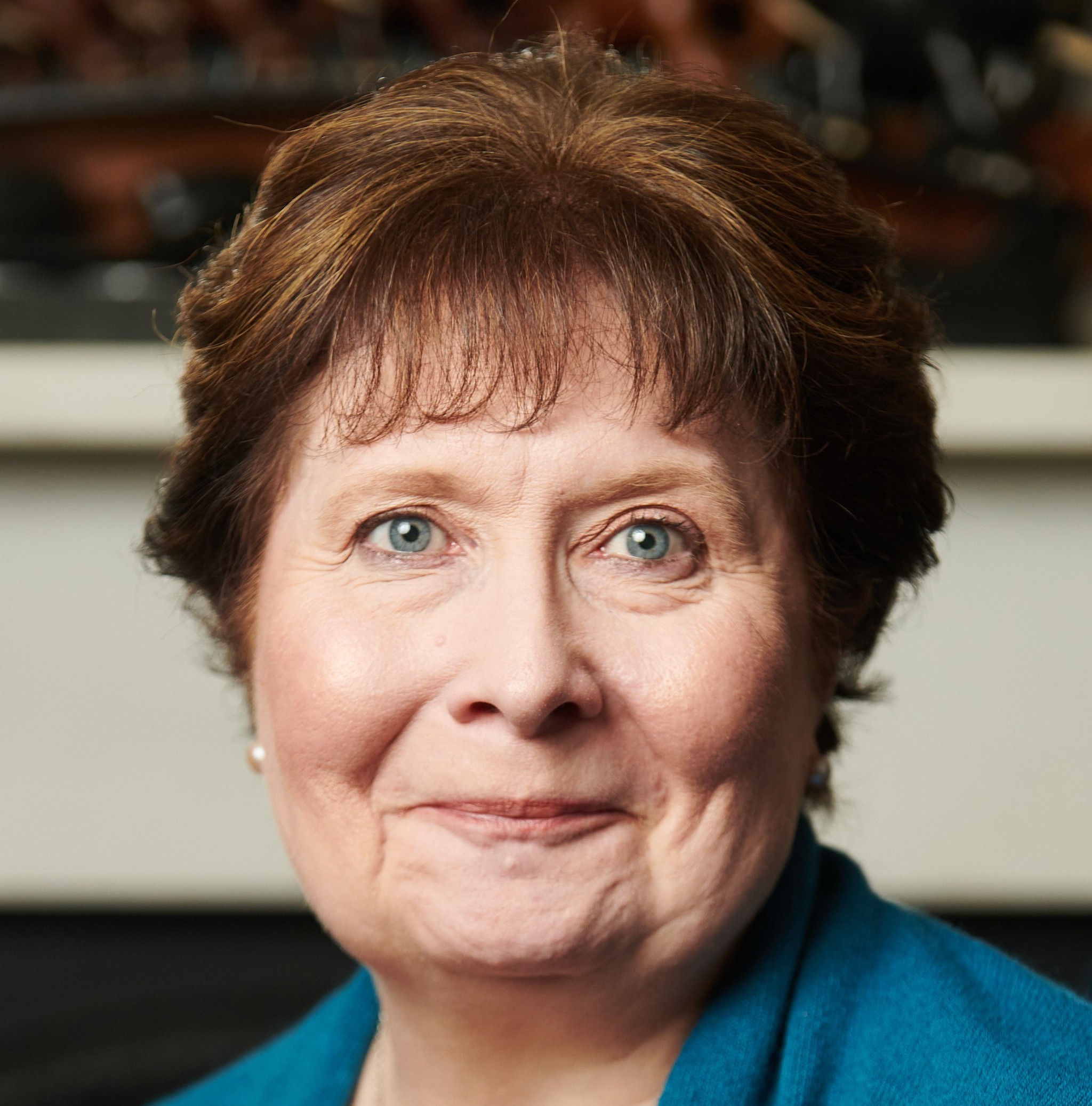
Amanda Webster
Psychotherapeutic Counsellor

Ana Saval-Badia

Anders Carvalho
Integrative
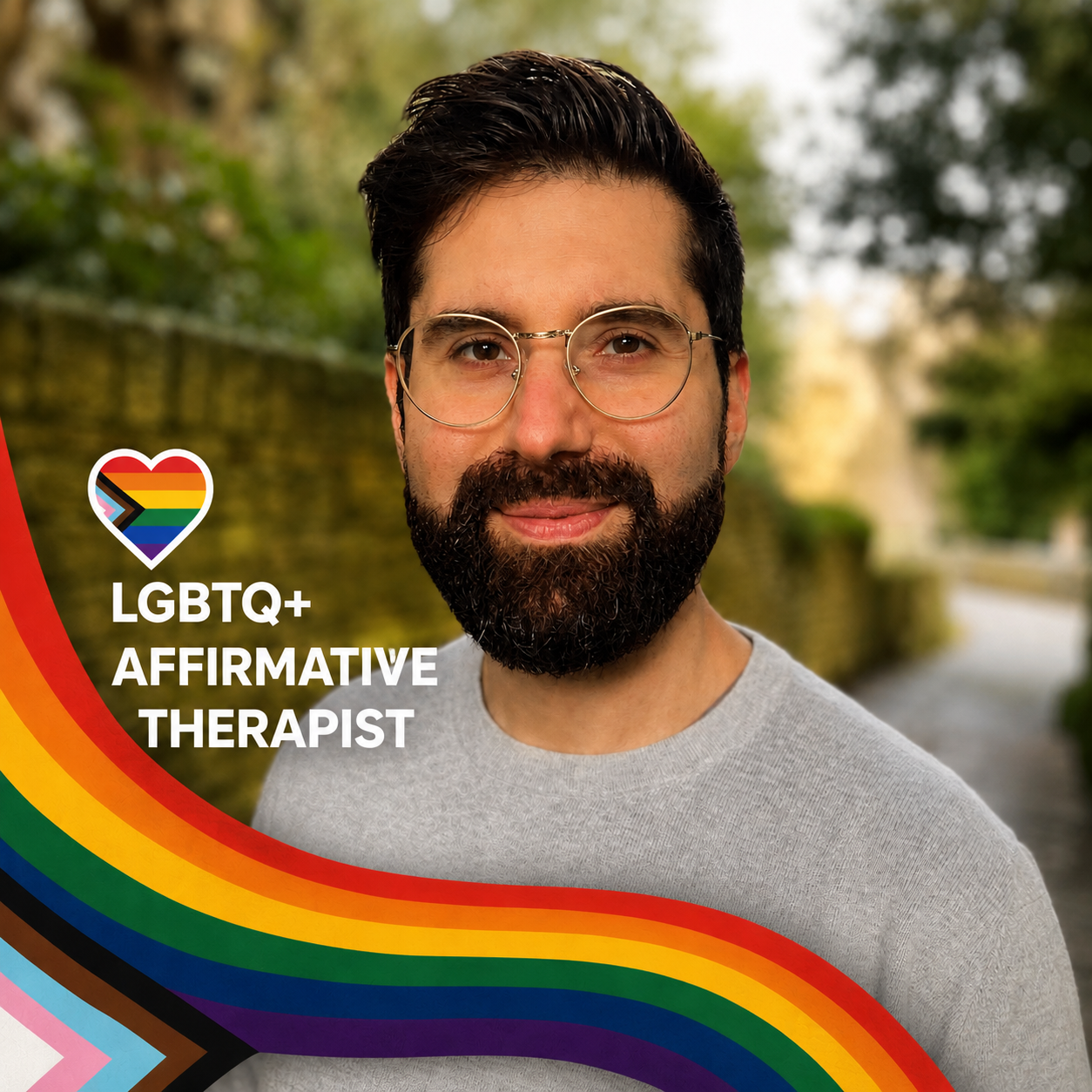
Antonios Georgiadis
Psychodynamic Psychotherapist and Counsellor

Arian Aseeley
How Veyro works
- 1
Browse
Filter by what you need help with, price, gender, language and more.
- 2
Book
Pick a time that suits you and pay securely. No account needed.
- 3
Talk
Meet your therapist online from wherever you feel comfortable.
Frequently asked questions
Is neurodivergence a mental illness?
No. Neurodivergence is a broad concept, not itself a mental illness.
Who is considered neurodivergent?
The term can include autistic people, people with ADHD and others with different neurocognitive profiles.
Can therapy change how my brain works?
Therapy should not promise to remove neurodevelopmental differences.
What does neurodiversity-affirming mean?
Respecting differences and reducing distress without treating identity as a defect.
Can I request adjustments?
Yes. Ask about format, pace, communication and sensory needs.
Do I need a diagnosis?
Not always for mental health support.
Can therapy help with masking and burnout?
It may provide space to explore these experiences and boundaries.