
Therapy for Children
Choosing therapy for a child starts with the child's age, wishes and needs. A parent or carer can ask for advice before deciding whether the child should attend.

- Every profile checked by our team
- Secure online sessions
- Book in minutes
- No account needed
Before arranging a session
A child who becomes withdrawn after school may express worries through play, drawing or conversation. Ask how the practitioner learns the child's view and whether a parent-only conversation, school support or a GP referral would be a better first step.
What sessions might explore
Depending on your situation, sessions may explore age-appropriate expression, family context, play and school-related pressures. Ask who can consent, how the child’s views will be heard and what information can be shared. A child-therapy tag alone does not establish age-specific training.
Choosing support
Check the actual age range, child-specific training, safeguarding arrangements, and whether online appointments are suitable before booking. Check practitioner experience, parental responsibility, confidentiality arrangements and referral pathways.
Related support
You can also explore school anxiety and parenting. For further information, see NHS information on consent for children and young people.
Clinically reviewed by Daniel Rosenberg, Senior Counsellor, ACCPH Member, General Hypnotherapy Register (GHR) Registrant on 5 November 2026.
Find therapists who list child therapy as an area of support

Amanda Stein
Adult and children’s integrative counsellor. EMDR practitioner
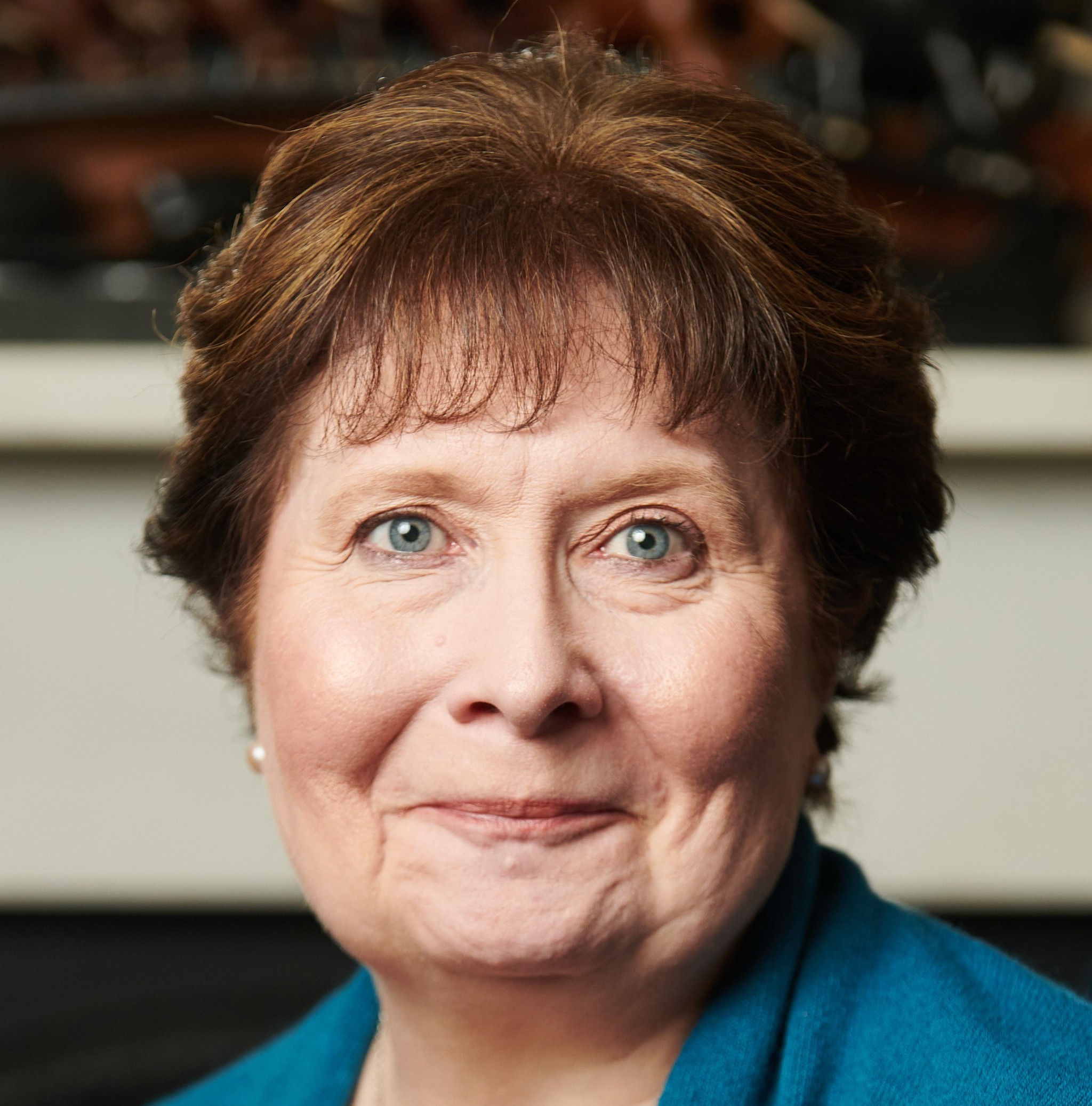
Amanda Webster
Psychotherapeutic Counsellor

Amber Sexton
Adult and Children's Counsellor and Psychotherapist

Arianna Berardi
Music Therapist

Dr Bianca Finger-Berry
Psychotherapeutic counsellor and EMDR therapist

Dr Peter Slater
Psychotherapist (adult and child and adolescent )
How Veyro works
- 1
Browse
Filter by what you need help with, price, gender, language and more.
- 2
Book
Pick a time that suits you and pay securely. No account needed.
- 3
Talk
Meet your therapist online from wherever you feel comfortable.
Frequently asked questions
What might a first child therapy appointment involve?
It depends on your goals. Sessions may explore age-appropriate expression, family context, play and school-related pressures; a practitioner should explain their approach and agree priorities with you.
When might a child need additional support?
If changes in mood, play, sleep or school attendance concern you, speak to a GP, school pastoral lead or child professional. Do not wait for a therapy booking if a child is unsafe.
Could online sessions suit my child?
Possibly. Check the child's age, wishes, privacy and ability to engage online. Agree who will be nearby, what happens if the connection drops, and who to contact in an emergency.
Who agrees to therapy and what will parents be told?
Ask who can consent in your UK nation and circumstances, how the child's understanding and wishes are considered, and who has parental responsibility. Agree what stays private, what parents may hear and when safety concerns require sharing information.
How do I choose a therapist for child therapy?
Check the actual age range, child-specific training, safeguarding arrangements, and whether online appointments are suitable before booking.
What if counselling is not enough?
Check practitioner experience, parental responsibility, confidentiality arrangements and referral pathways. You can ask a therapist about referrals and support that may be more appropriate.
What should I do if I need urgent help?
If anyone is in immediate danger, call 999 or go to A&E. For urgent mental-health help in England, call NHS 111 and select the mental-health option. Elsewhere in the UK, contact your local NHS urgent mental-health service or GP out-of-hours service. Veyro cannot provide emergency care.