
Online Counselling for Drug-Related Problems
If drug use is affecting your health, relationships, finances or sense of control, reaching out can be a practical first step. You do not need to have a particular label to ask for support.

- Every profile checked by our team
- Secure online sessions
- Book in minutes
- No account needed
Recognising when drug use is a concern
People seek help for many reasons: using more than intended, cravings, difficulties cutting down, changes in mood, risky situations or arguments at home. Drug-related harms differ according to the substance, pattern of use and individual health. It is possible to need support without meeting criteria for dependence, and dependence is not a moral failing.
Medical and specialist support
Withdrawal from some substances and combinations can be medically risky. If you may be dependent, ask a GP or local drug and alcohol service for advice before stopping abruptly. Specialist services can offer assessment, harm reduction and treatment options. If someone is unconscious, having trouble breathing or experiencing a suspected overdose, call 999 immediately. Do not rely on a routine therapy appointment in an emergency.
How counselling may help
Counselling may provide space to understand triggers, stress, shame, relationships and motivations for change. Some people want to reduce harm; others want support with stopping use. A therapist should work without judgement while being clear about their competence and referral limits. Psychological support may complement, rather than replace, addiction treatment or prescribed medication.
Finding a suitable therapist
Check whether a therapist has experience with the substance and circumstances relevant to you, including co-occurring mental-health concerns. Ask about confidentiality, safety planning and coordination with specialist services. Veyro allows you to compare independent profiles, but the directory label alone does not establish addiction-treatment credentials.
Further information and related support
For background information, see NHS guidance on getting help for drug addiction. You may also explore related Veyro pages: alcohol and gambling.
Clinically reviewed by Daniel Rosenberg, Senior Counsellor, ACCPH Member, General Hypnotherapy Register (GHR) Registrant on 5 November 2026.
Find therapists who help with drug-related concerns

Daniel Rosenberg
Adult Psychotherapist and Hypnotherapist
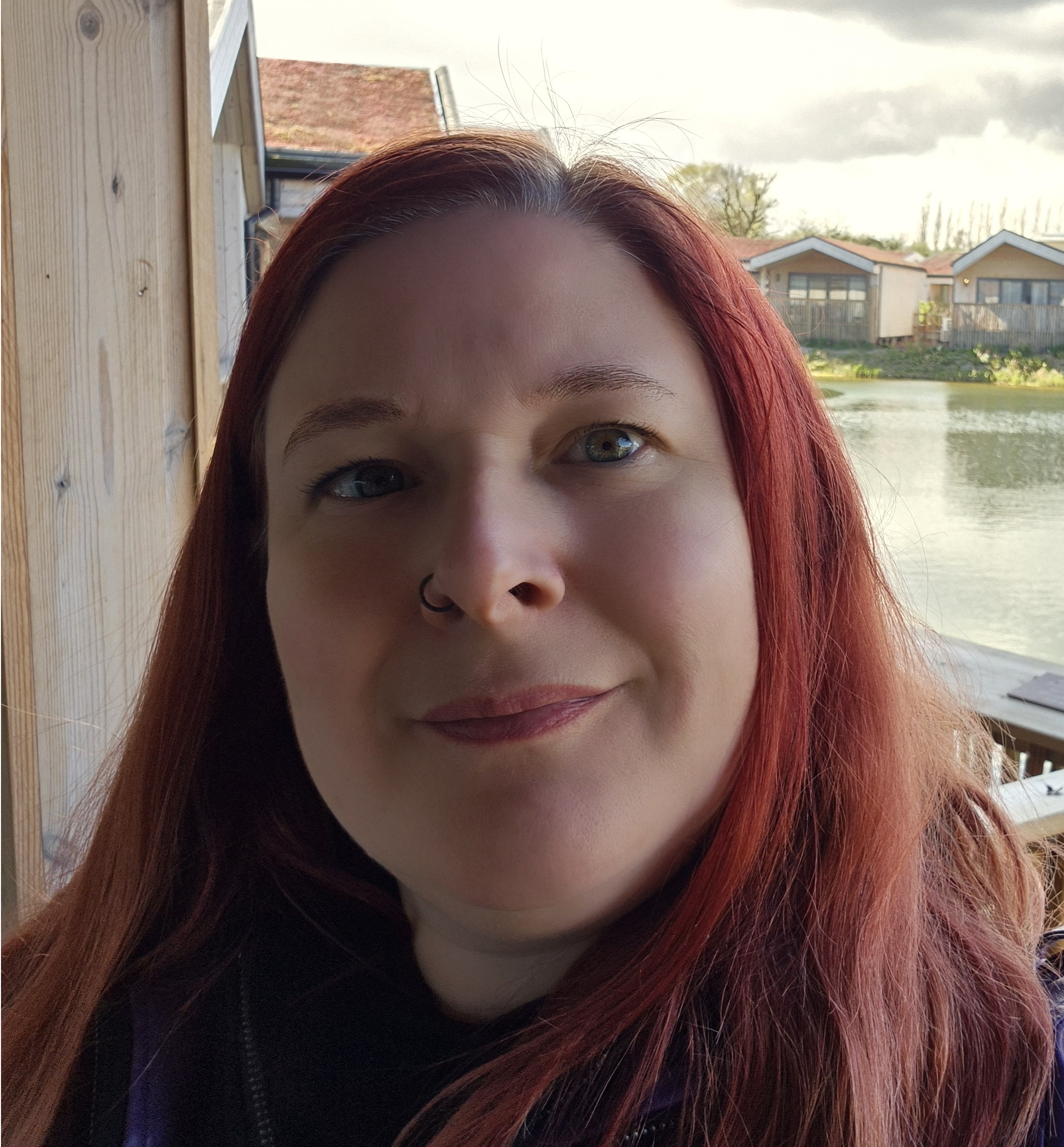
Dr Amy Kirby
Clinical Psychologist
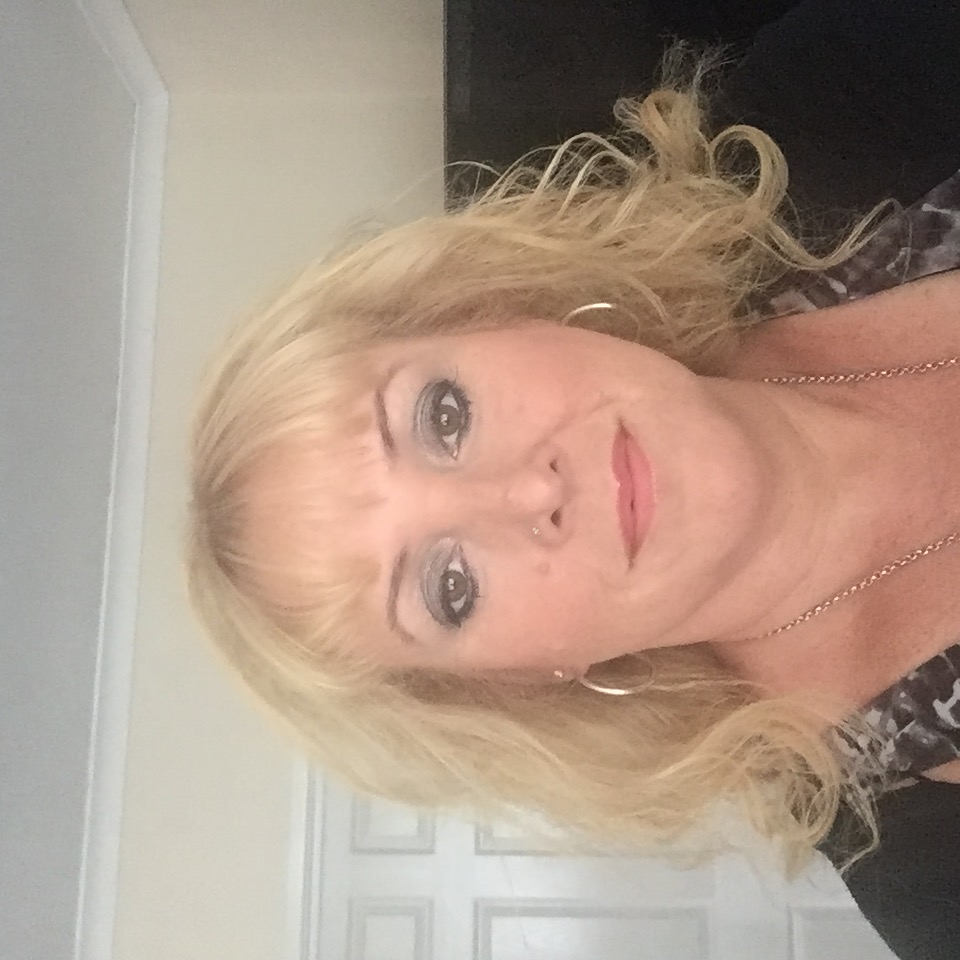
Dr Gillian Rayner
Consultant Cognitive Behavioural Psychotherapist, Compassion Focused Psychotherapist and Integrative Psychotherapist

Dr Richard Sherry
Consultant Chartered Clinical Psychologist, Neuropsychologist, Trauma Psychologist, Psychoanalytic Psychotherapist
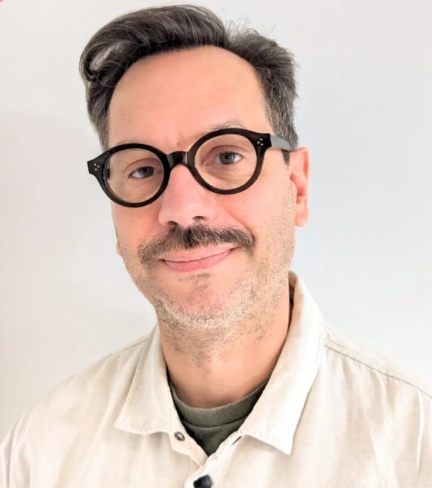
Edoardo Zollo
Psychotherapist for Individuals and Couples
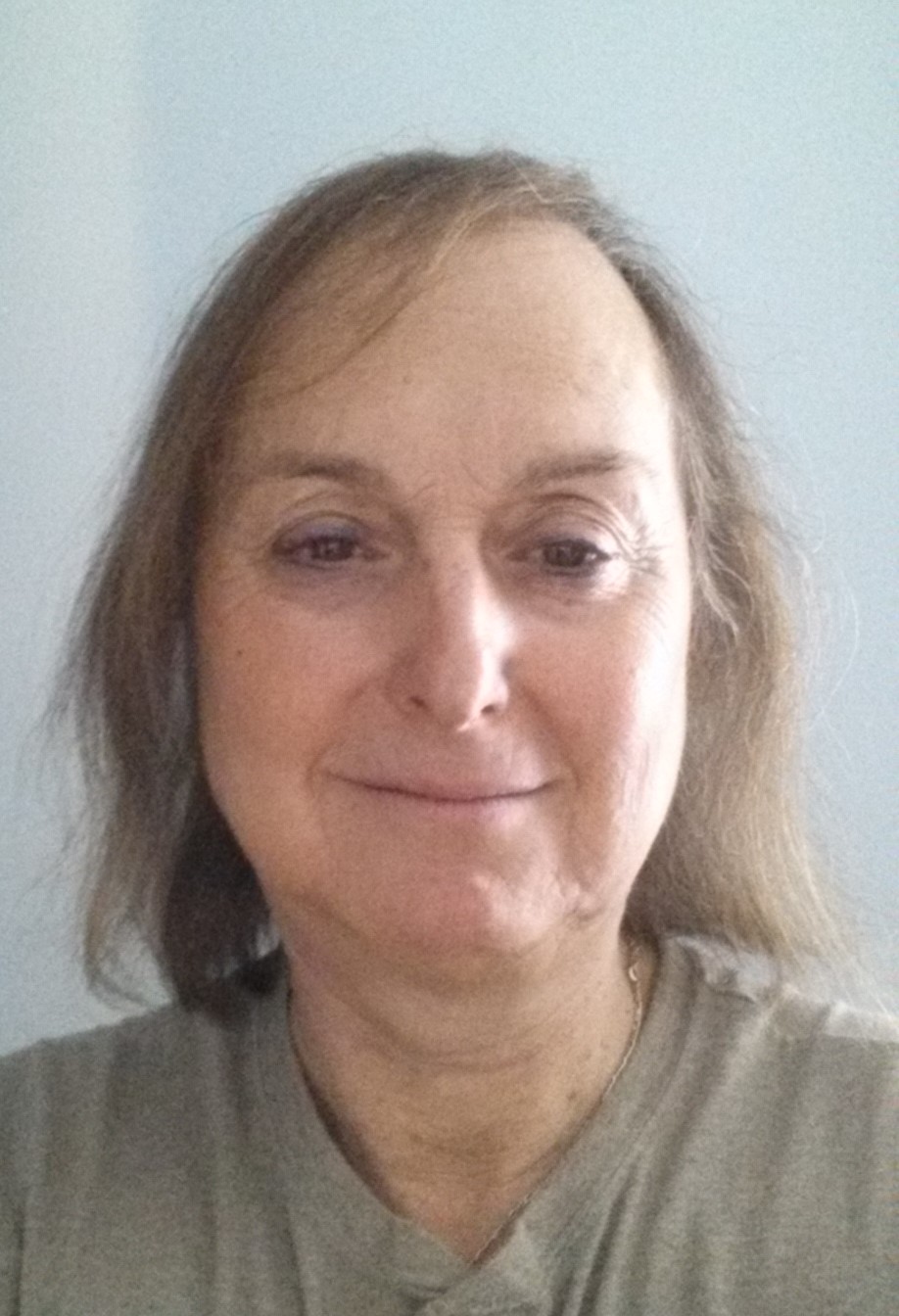
Eleanor Levy
How Veyro works
- 1
Browse
Filter by what you need help with, price, gender, language and more.
- 2
Book
Pick a time that suits you and pay securely. No account needed.
- 3
Talk
Meet your therapist online from wherever you feel comfortable.
Frequently asked questions
Do I have to identify as addicted to seek help?
No. You can ask for support whenever drug use is worrying you or affecting your life.
Is it safe to stop using drugs suddenly?
That depends on the substance and circumstances. Withdrawal can be risky, so seek medical or specialist advice if you may be dependent.
Can counselling replace a drug treatment service?
Counselling can help with the emotional side of drug use. If you need withdrawal management, medical treatment or specialist addiction care, contact your GP or local drug and alcohol service. Counselling can work alongside that care.
Will a therapist tell the police?
Ask about confidentiality and its limits before sharing information. Safeguarding and immediate-risk circumstances can affect what must be disclosed.
Can therapy help with cravings?
A suitably experienced professional may help explore triggers, coping strategies and motivation, alongside any recommended specialist treatment.
What if drugs and anxiety or depression are both issues?
Tell a clinician about both. Coordinated care may be helpful when substance use and mental-health concerns occur together.
What should I do if someone may have overdosed?
Call 999 immediately for suspected overdose, unconsciousness or breathing difficulties. Follow emergency-service instructions.