
Online Emotional Eating Support
Eating for comfort is not automatically a problem. If food has become a source of distress, therapy may help you explore feelings and patterns without judgement or weight-loss pressure.

- Every profile checked by our team
- Secure online sessions
- Book in minutes
- No account needed
Food and emotions are connected
Eating for comfort occasionally is common and does not by itself mean that something is wrong. Food can be associated with celebration, routine, soothing or connection. Some people seek support when eating patterns feel distressing, automatic or difficult to change in the way they would like.
Noticing patterns without judgement
You might notice that difficult meetings, loneliness or exhaustion change when and how you eat. Exploring what was happening beforehand can be more useful than labelling foods as good or bad. A therapist may help you identify emotions and consider other ways of meeting your needs, without demanding that you only eat when physically hungry.
When assessment matters
If you repeatedly feel unable to stop eating, experience marked distress, restrict food or purge, speak to a GP about an eating-disorder assessment. Emotional eating and binge eating disorder are not interchangeable labels. General counselling is not a substitute for specialist treatment when one is needed.
What to ask a therapist
Ask whether they have experience with food-related distress, how they avoid weight stigma and when they refer to specialist services. The aim should be to support wellbeing and agency rather than impose a diet or promise a particular weight outcome.
Choosing an independent therapist
Read each therapist’s profile and ask about relevant experience, professional registration, confidentiality, online session arrangements and fees. A listed specialism is not a guarantee of particular clinical training or suitability. You can ask questions before booking, and the therapist should explain when a different service may be more appropriate.
Related support and urgent help
For related perspectives, you can also explore our pages on binge eating and body image. Veyro is not an emergency service. If anyone is in immediate danger, call 999. For urgent medical help that is not an emergency, contact your GP or local urgent-care service. In Northern Ireland, contact your GP out-of-hours service when your surgery is closed.
Clinically reviewed by Daniel Rosenberg, Senior Counsellor, ACCPH Member, General Hypnotherapy Register (GHR) Registrant on 2 November 2026.
Find therapists supporting emotional eating

Ana Saval-Badia
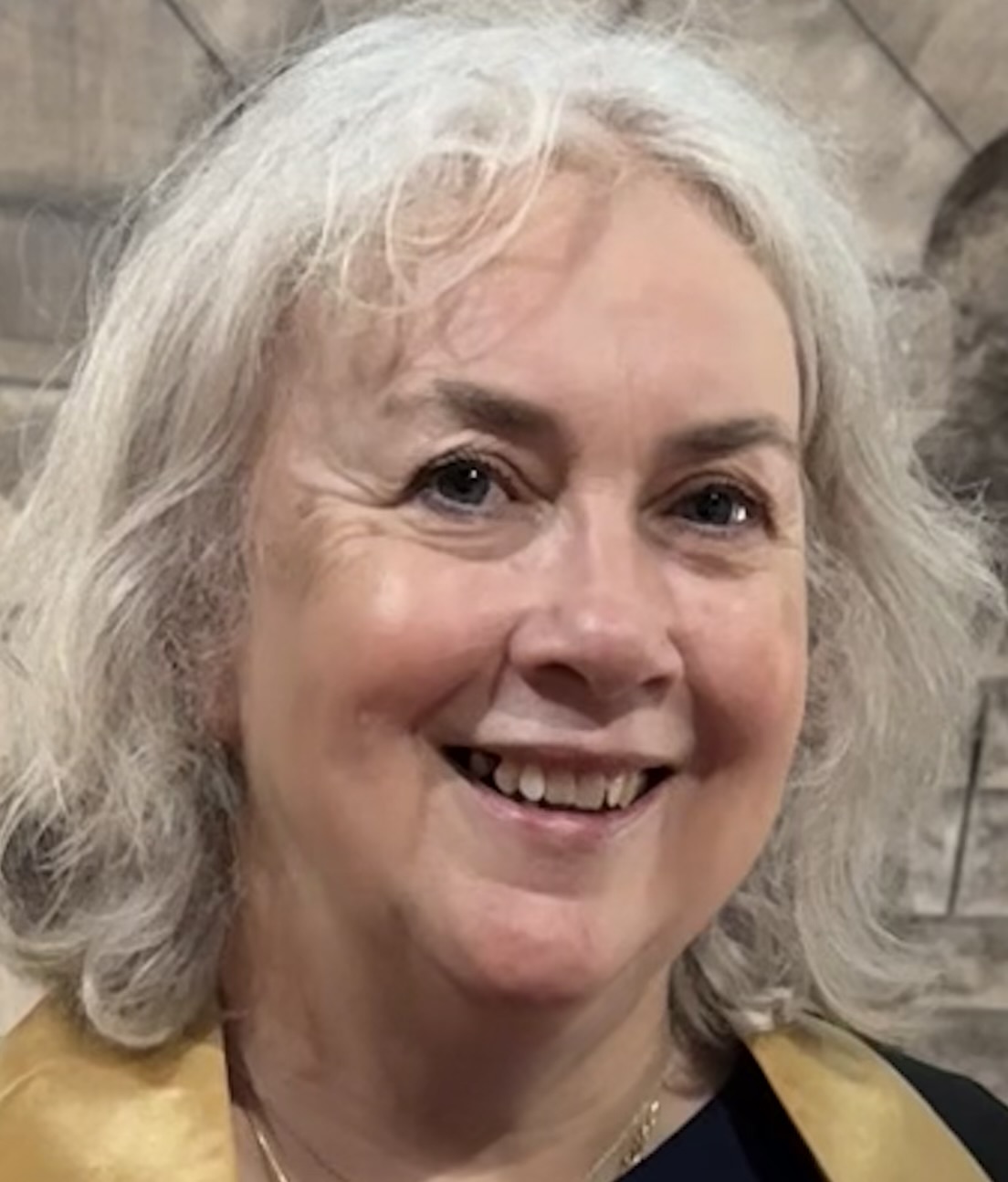
Cathy Gilius
Cognitive Behaviour Therapist

Charlotte Ferrier
Rapid Transformational Therapist

Cheryl Ann Forrester
Qualified Counsellor

Dirk Plas
Body Psychotherapist

Julia Worrow
Integrative Psychotherapist &. Counsellor
How Veyro works
- 1
Browse
Filter by what you need help with, price, gender, language and more.
- 2
Book
Pick a time that suits you and pay securely. No account needed.
- 3
Talk
Meet your therapist online from wherever you feel comfortable.
Frequently asked questions
Is emotional eating an eating disorder?
Not by itself. It is a common description of eating in response to feelings.
Why do I eat when stressed?
Food can provide comfort or distraction; patterns differ between people.
Can therapy help?
It may help explore emotional needs and alternative ways of coping.
Should I cut out certain foods?
Avoid rigid restrictions without personalised clinical advice.
What if I feel guilty after eating?
Guilt can be explored without labelling foods or behaviour as morally good or bad.
What should I expect from my first therapy session for emotional eating?
Your first session is an opportunity to discuss your relationship with food, the emotions you experience around eating and what you would like support with. You can share as much or as little as you feel comfortable with. The therapist may explore patterns, stressors and coping strategies with you. You do not need to prepare anything or have a diagnosis before attending. If there are signs that specialist eating-disorder support may be appropriate, your therapist should discuss suitable next steps with you.
When should I seek specialist help?
If you experience loss of control, purging, restriction or significant distress.