
Online Therapy for Panic Attacks
A panic attack can feel frightening and intensely physical. You might notice a racing heart, breathlessness, dizziness or a sudden sense that something terrible is happening. Online therapy can help you explore these experiences and the fear that may develop around having another attack.

- Every profile checked by our team
- Secure online sessions
- Book in minutes
- No account needed
What are panic attacks?
A panic attack is a sudden episode of intense fear or discomfort that can involve strong physical sensations. Some attacks happen unexpectedly; others occur in situations that already feel threatening. A panic attack is not the same as panic disorder. Panic disorder involves recurrent unexpected attacks and ongoing concern or behavioural changes related to them, assessed by a healthcare professional.
Common symptoms of a panic attack
- A racing or pounding heart
- Sweating, trembling or shaking
- Feeling short of breath or dizzy
- Chest discomfort, nausea or tingling
- Feeling detached or afraid of losing control
Important: These symptoms can also have medical causes. Do not assume new or severe chest pain, breathing difficulty or other alarming symptoms are panic. Seek urgent medical advice when appropriate.
Why can panic attacks become a recurring worry?
After a frightening attack, it is understandable to watch for the next one. You might avoid public transport, exercise or busy places, or check your pulse repeatedly. Although these responses can feel protective, they may increase attention to normal bodily sensations and reinforce the fear of another attack. This cycle can be explored without blaming you for it.
How can therapy help with panic attacks?
Cognitive behavioural therapy (CBT) is a recommended psychological treatment for adults with panic disorder under NICE guideline CG113. CBT may explore feared interpretations of physical sensations, avoidance and responses that keep panic-related fear going. A therapist might help you test predictions gradually and collaboratively, rather than promising that you will never experience anxiety again.
Other treatments and medical assessment may be appropriate depending on symptoms and diagnosis. A therapist should explain their training and the approach they offer.
What happens in an online session?
Your therapist may ask about your first attack, what sensations you notice and how your routines have changed. For example, if you avoid taking the train because you fear dizziness, you might explore that fear and agree on gradual, manageable steps. Any exercises should be explained and agreed, taking your physical health and circumstances into account.
Choosing a therapist for panic attacks
On Veyro you can compare independent therapists who list panic attacks among their areas of expertise. If you are specifically seeking CBT for panic disorder, ask about relevant training and experience. You can also discuss symptoms with your GP, particularly if you have not had a medical assessment.
Panic attacks and other forms of anxiety
Panic attacks can occur alongside general anxiety, social anxiety or health anxiety. The underlying fears may differ, so support should be tailored. Read the NHS overview of panic disorder for further information.
Clinically reviewed by Daniel Rosenberg, Senior Counsellor | ACCPH Member | General Hypnotherapy Register (GHR) Registrant on 4 November 2026.
Find therapists who can help with panic attacks

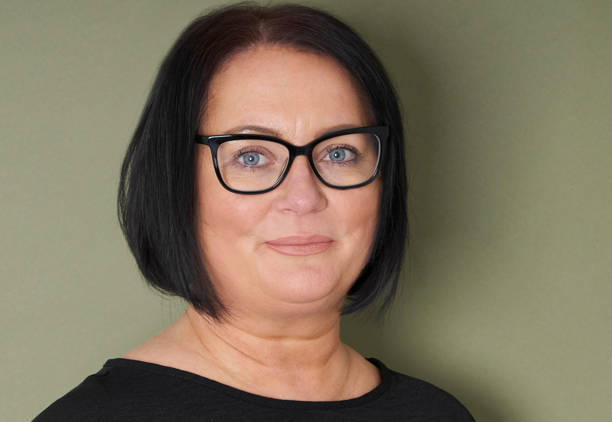
Alan Brodie
Counsellor | Cognitive Behavioural Therapist (CBT)
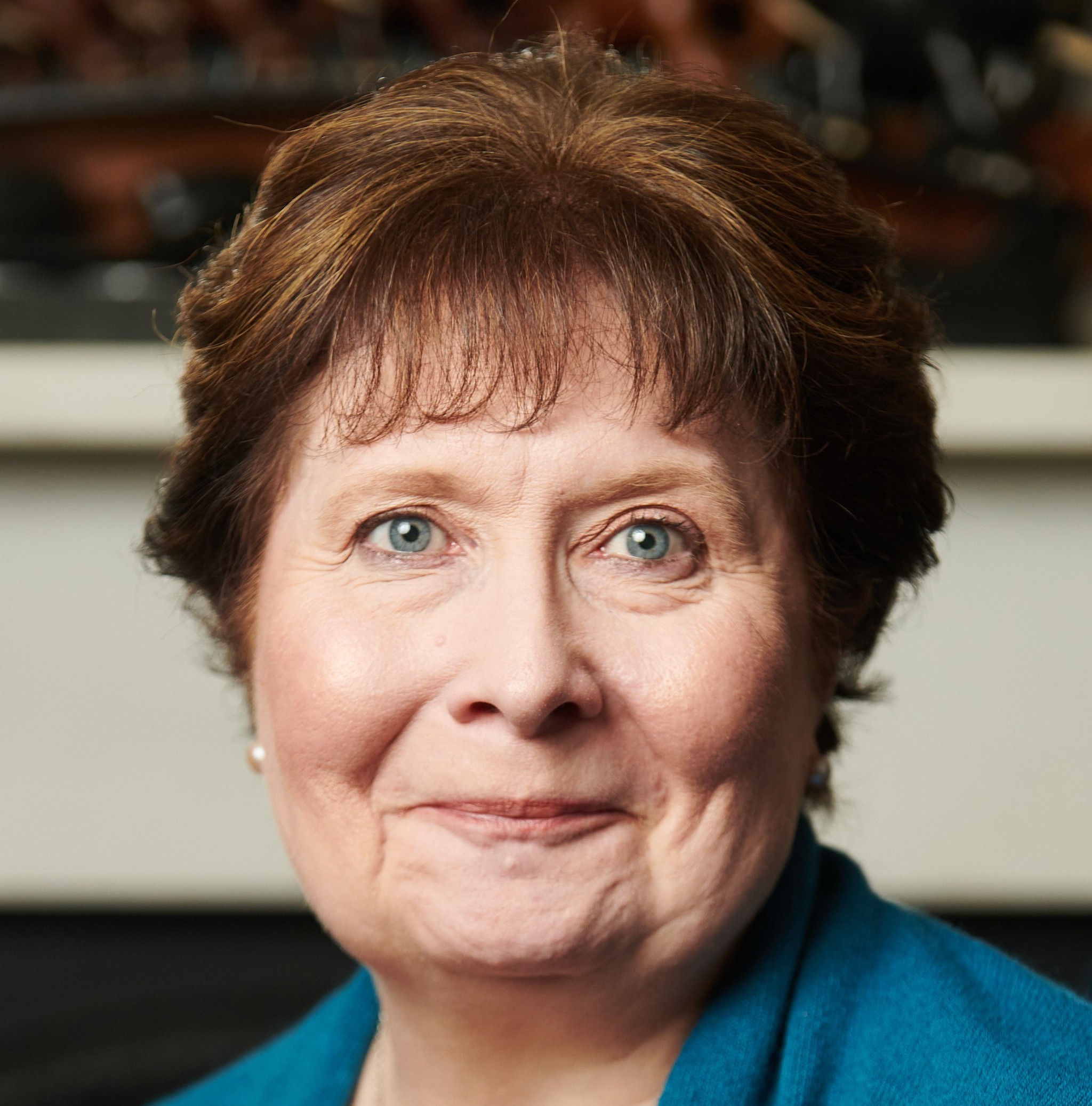
Amanda Hodgson
BABCP Accredited Cognitive Behavioural Therapist
Amanda Webster
Psychotherapeutic Counsellor

André O'Donnell
Counselor & Psychotherapist
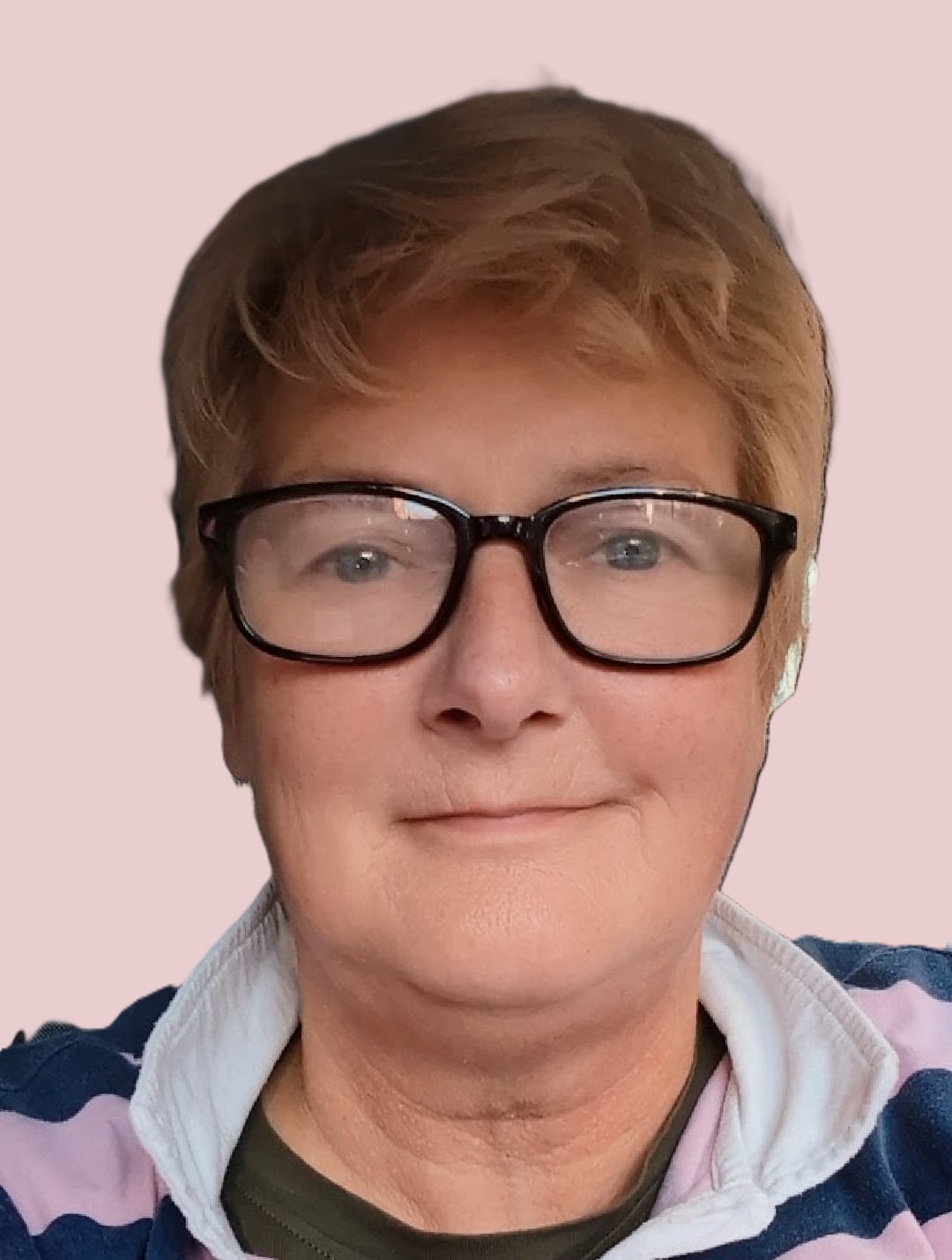
Anita Furlong
Counsellor, Psychotherapist & Supervisor
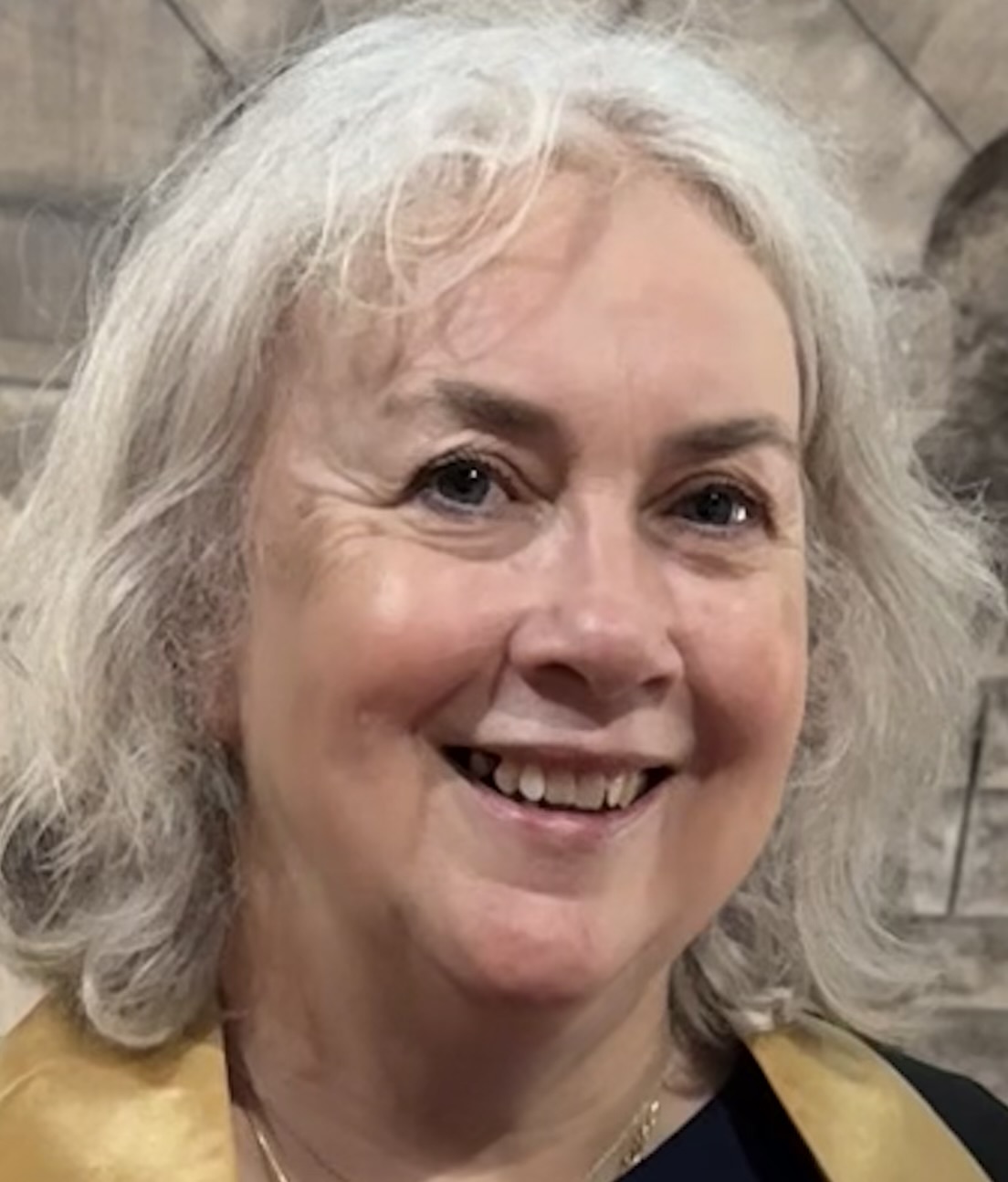
Cathy Gilius
Cognitive Behaviour Therapist
How Veyro works
- 1
Browse
Filter by what you need help with, price, gender, language and more.
- 2
Book
Pick a time that suits you and pay securely. No account needed.
- 3
Talk
Meet your therapist online from wherever you feel comfortable.
Frequently asked questions
Are panic attacks dangerous?
Panic attacks themselves are generally not dangerous, although they can feel intensely frightening. Similar symptoms can have other medical causes, so seek urgent medical help for new, severe or worrying symptoms rather than assuming they are panic. For more information, see the NHS guidance on panic disorder.
What is the difference between panic attacks and panic disorder?
A panic attack is an episode of intense fear or discomfort. Panic disorder involves recurrent unexpected attacks with persistent concern or changes in behaviour, and requires professional assessment.
What therapy does NICE recommend for panic disorder?
For adults with panic disorder, NICE recommends CBT as a psychological treatment option. See NICE guideline CG113 for recommendations and other options.
Can online therapy help with panic attacks?
Online therapy may help you understand panic-related fear and avoidance. Suitability depends on your needs and whether the therapist offers an appropriate approach.
Will a therapist make me trigger a panic attack?
CBT may include carefully planned work with feared sensations or situations, but any exercise should be explained, clinically appropriate and agreed with you.
How long does panic therapy take?
Treatment length varies with your needs and approach. Ask a therapist how they structure sessions, monitor progress and decide whether additional support is needed.
Should I speak to a GP about panic symptoms?
Yes, especially if symptoms are new, severe, changing or have not been medically assessed. A GP can help consider physical causes and discuss treatment options.