
Online Counselling for Gender Dysphoria
If you are experiencing distress connected with the difference between your gender identity and aspects of your body or how others see you, you deserve respectful support without pressure to follow a particular path.

- Every profile checked by our team
- Secure online sessions
- Book in minutes
- No account needed
Understanding gender dysphoria
Gender dysphoria refers to distress that can arise from incongruence between someone’s gender identity and sex-related characteristics or social expectations. Being transgender or gender-diverse is not itself a mental illness, and not every gender-diverse person experiences dysphoria. Experiences can vary over time and across different settings.
What affirming counselling can offer
Counselling may provide a space to discuss distress, identity, relationships, discrimination, privacy and practical decisions. The aim should be to support your autonomy and wellbeing, not to steer you towards or away from transition. A therapist should respect your name, pronouns and pace, and explain confidentiality and safeguarding boundaries clearly.
Counselling and specialist healthcare are different
A general therapist cannot automatically provide a formal diagnosis, specialist endocrine advice or access to gender-related medical interventions. NHS referral pathways and eligibility depend on the service and individual circumstances. If you want to explore medical options, ask your GP or an appropriate specialist service about current pathways. Psychological support may be useful whether or not you are considering medical treatment.
Choosing a therapist safely
Ask about experience with gender-diverse clients, the therapist’s approach to affirmative care, and whether they understand the limits of their clinical role. If privacy matters, check which email or device receives booking confirmations before booking. If distress becomes urgent or you are at risk of harming yourself, contact urgent NHS mental-health support; call 999 in immediate danger.
Further information and related support
For background information, see NHS information on gender dysphoria. You may also explore related Veyro pages: gender identity and LGBTQ+ therapy.
Clinically reviewed by Daniel Rosenberg, Senior Counsellor, ACCPH Member, General Hypnotherapy Register (GHR) Registrant on 5 November 2026.
Find therapists supporting people experiencing gender dysphoria
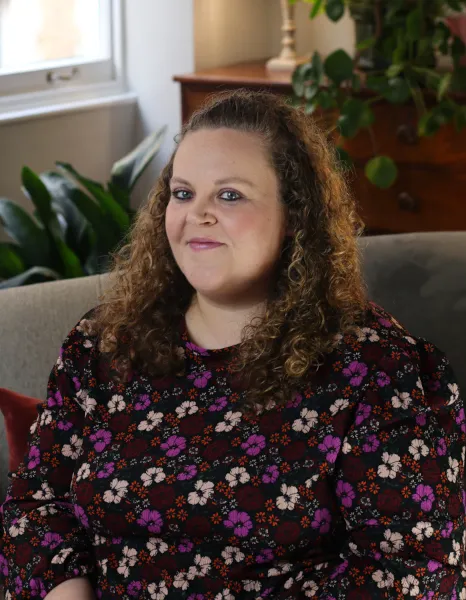
Katie Merritt
Integrative Psychotherapist

Keturah Akintunde
Integrative therapy

Mariam Naeem Javed
CBT, ACT and CFT

Anders Carvalho
Integrative

Rabia Khan
BABCP Accredited CBT & EMDR Therapist | Anxiety, Trauma & Women's Mental & Hormonal Health

Shagufta Zabeer
BACP Registered Integrative Counsellor
How Veyro works
- 1
Browse
Filter by what you need help with, price, gender, language and more.
- 2
Book
Pick a time that suits you and pay securely. No account needed.
- 3
Talk
Meet your therapist online from wherever you feel comfortable.
Frequently asked questions
Is being transgender a mental-health condition?
No. Gender identity itself is not a mental illness. Gender dysphoria describes distress that some people experience.
Do I need to want medical transition to seek counselling?
No. You can explore feelings and wellbeing without committing to any medical or social steps.
Can a Veyro therapist prescribe hormones?
No. Routine counselling does not provide prescribing or specialist medical assessment.
Will counselling try to change my gender identity?
It should not. Ethical support respects your autonomy and does not aim to impose a predetermined identity or outcome.
Can I book without being out to others?
Yes. Before booking, consider whether your email address or device receives automated confirmations and ask about contact and confidentiality.
How can I find an affirming therapist?
Ask about experience, approach, use of names and pronouns, confidentiality and familiarity with specialist referral boundaries.
What if distress becomes overwhelming?
Contact your GP, mental-health team or urgent NHS service for timely help. If you or someone else is in immediate danger, call 999.