Online Counselling Support for Anorexia
Living with anorexia can affect physical health, emotions and relationships. If eating, weight or fear around food is taking up a great deal of your day, you deserve support without judgement.

- Every profile checked by our team
- Secure online sessions
- Book in minutes
- No account needed
Understanding anorexia
Anorexia nervosa is an eating disorder that can involve restricting food, intense fears about weight gain and difficulties recognising the seriousness of low weight or malnutrition. People may experience rigid food rules, anxiety at mealtimes, excessive exercise or withdrawal from others. You cannot tell whether someone needs help simply by looking at them. Eating disorders are serious illnesses, not lifestyle choices.
Why early assessment matters
Anorexia can affect the heart, bones and other body systems. A GP can assess physical health and arrange referral to specialist eating-disorder services. You do not need to wait for symptoms to become severe or for a particular weight to ask for help. If you are fainting, physically unwell or deteriorating rapidly, seek urgent medical assessment. Counselling alone is not a substitute for medical monitoring and specialist treatment.
How psychological support fits in
Evidence-based eating-disorder treatment often combines psychological support with nutritional and medical care. A suitably trained professional may help explore fear, perfectionism, distress, relationships and patterns that maintain the illness. Some people benefit from involving family or trusted supporters. Ask a prospective therapist about eating-disorder experience and how they work alongside specialist services.
Finding appropriate help
Veyro lists independent therapists, but a directory speciality tag is not proof of specialist eating-disorder training. Check qualifications, experience, referral arrangements and whether online sessions are appropriate for your current physical health. If you are unsure where to begin, contact your GP and discuss specialist assessment before relying on routine counselling.
Further information and related support
For background information, see NHS information on anorexia. You may also explore related Veyro pages: eating disorders and body image.
Clinically reviewed by Daniel Rosenberg, Senior Counsellor, ACCPH Member, General Hypnotherapy Register (GHR) Registrant on 5 November 2026.
Find therapists supporting people affected by anorexia
Keturah Akintunde
Integrative therapy

Mariam Naeem Javed
CBT, ACT and CFT

Anders Carvalho
Integrative
Rabia Khan
BABCP Accredited CBT & EMDR Therapist | Anxiety, Trauma & Women's Mental & Hormonal Health
Shagufta Zabeer
BACP Registered Integrative Counsellor
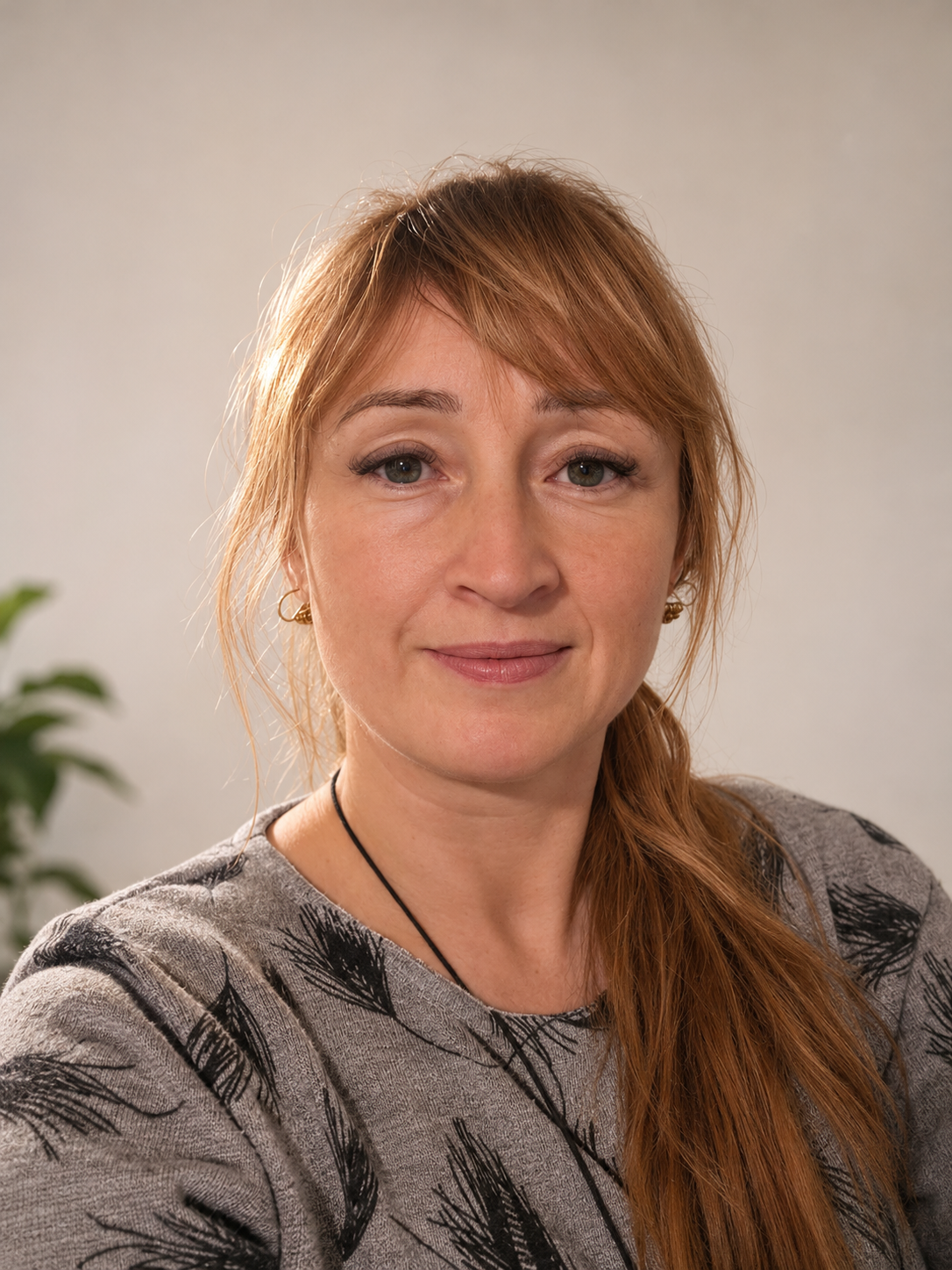
Anna Rexha
Integrative Counsellor (MNCPS Accred)
How Veyro works
- 1
Browse
Filter by what you need help with, price, gender, language and more.
- 2
Book
Pick a time that suits you and pay securely. No account needed.
- 3
Talk
Meet your therapist online from wherever you feel comfortable.
Frequently asked questions
Is anorexia only about being underweight?
No. Eating-disorder concerns can be serious at different weights. A clinician should assess eating patterns, physical health and psychological symptoms rather than appearance alone.
Can I use online therapy instead of seeing a GP?
No. Anorexia can carry medical risks, so GP assessment and specialist eating-disorder care are important. Online counselling may complement an appropriate treatment plan.
What if I do not feel ready to change my eating?
You can still ask for help. A specialist can listen to your concerns and discuss next steps without requiring you to have all the answers first.
Can family members be involved?
Sometimes. Depending on your age, preferences and treatment plan, involving family or trusted supporters may be helpful.
How do I choose a therapist?
Ask about specific eating-disorder training, experience with anorexia, safeguarding and coordination with medical or specialist services.
What if I am worried about someone else?
Approach them with care, avoid comments about appearance and encourage them to seek a GP or specialist eating-disorder assessment.
When is urgent medical help needed?
Seek urgent medical advice if someone is fainting, rapidly deteriorating or seriously physically unwell. Call 999 for an immediate medical emergency.