
Online Therapy for Sleep Problems
Poor sleep can affect concentration, mood and energy. If you struggle to fall asleep, wake frequently or feel worried about bedtime, talking therapy may help you explore what is keeping the pattern going.

- Every profile checked by our team
- Secure online sessions
- Book in minutes
- No account needed
What do we mean by sleep problems?
Sleep problems can include difficulty falling asleep, waking during the night, waking earlier than intended or feeling unrefreshed. They can be short-lived or persistent. Insomnia is a specific sleep difficulty; not every disrupted night is insomnia.
How can sleep problems affect everyday life?
Tiredness may make work, parenting, relationships and decision-making harder. Some people become anxious about the next night, which can add pressure at bedtime. Sleep problems can also be linked with medical conditions, medication or changes in routine.
What can keep sleep difficulties going?
Stress, irregular schedules, time spent awake worrying in bed and attempts to compensate with long lie-ins can sometimes reinforce difficulties. Shift work, caring responsibilities and health conditions can also matter; sleep is not simply a matter of willpower.
How can therapy help with sleep?
A therapist can explore worries, habits and circumstances affecting sleep. For persistent insomnia, CBT for insomnia (CBT-I) is a structured approach that targets unhelpful sleep patterns and beliefs. General counselling may help with stress or low mood but is not identical to CBT-I. See NHS insomnia guidance.
What might an online session involve?
You might discuss a typical week of sleep, when difficulties started and how they affect your day. A suitably trained therapist may suggest a sleep diary and agree practical changes. Any behavioural techniques should be explained and adapted to your health and circumstances.
When should I seek medical advice?
Speak to a GP if sleep difficulties persist, significantly affect daily life or may relate to medication, breathing problems or another condition. Loud snoring with breathing pauses, marked daytime sleepiness or other concerning symptoms warrant medical assessment.
Finding the right support
Ask whether a therapist has specific training in insomnia treatment if that is your main concern. You can compare independent therapists on Veyro, ask about their relevant training and approach, and agree goals together. Online therapy may be convenient, but it is not the right option for every person or situation.
Clinically reviewed by Daniel Rosenberg, Senior Counsellor | ACCPH Member | General Hypnotherapy Register (GHR) Registrant on 5 November 2026.
Find therapists who can help with sleep difficulties

Ana Saval-Badia

Madiha Sheikh
Accredited Cognitive Behavioural Therapist|Counselling Psychotherapist|Menopause Informed Psychological Specialist

Matthew Richard Motte
Psychotherapeutic Counsellor
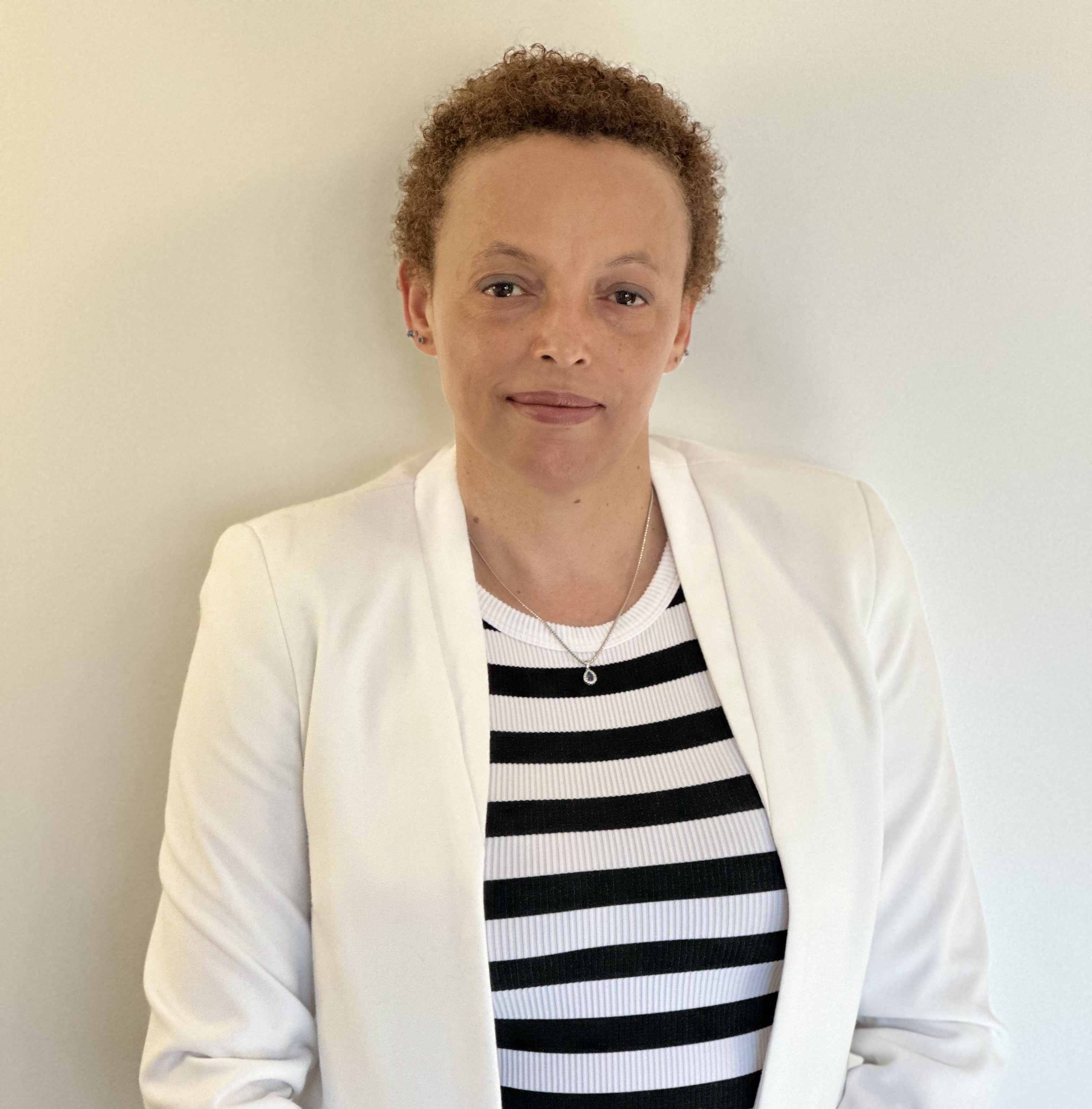
Monica Parminter
EMDR, CBT & ACT Adult Psychotherapist

Naomi Taylor
Psychotherapist

Paul Fitzsimons
Psychotherapist
How Veyro works
- 1
Browse
Filter by what you need help with, price, gender, language and more.
- 2
Book
Pick a time that suits you and pay securely. No account needed.
- 3
Talk
Meet your therapist online from wherever you feel comfortable.
Frequently asked questions
Can therapy help if I cannot switch off at night?
It may help you explore racing thoughts, stress and bedtime worry. The most suitable approach depends on the cause of your sleep difficulties.
Is CBT-I the same as general CBT?
CBT-I is a structured form of CBT designed specifically for insomnia. Ask about the therapist’s training rather than assuming any CBT practitioner offers CBT-I.
Should I stop taking sleep medication?
No. Do not change prescribed medication without speaking to the clinician who prescribed it.
Do I need a diagnosis?
No. You can seek support for disrupted sleep without a diagnosis, although a GP can assess possible medical causes.
Can stress cause poor sleep?
Stress can contribute to difficulties sleeping, but sleep problems may also have medical or practical causes. See our stress therapy page.
How many sessions will I need?
That depends on your circumstances, goals and the type of treatment. Ask the therapist how they plan and review progress.
What if I feel exhausted during the day?
Persistent or severe daytime sleepiness deserves medical advice, particularly if it affects driving or safety. See NHS insomnia advice.